Choosing the right dock is one of the most important decisions a waterfront property owner can make. Whether you live on Lake of the Woods, along a quiet bay near Kenora, or enjoy cottage life in Manitoba, your dock is the hub of activity. It’s where you launch your boat, dive into the water on hot summer days, and gather with friends and family. One of the biggest choices dock owners face is whether to install a covered floating dock or stick with an open floating dock. Each option has unique benefits and drawbacks, and the right fit depends on your lifestyle, budget, and long-term goals.
What Is a Covered Floating Dock?
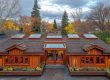
A covered floating dock includes a roof structure—typically metal or wood—built over the docking area. These docks often provide shade and shelter for boats, equipment, and people. Many cottagers choose covered docks for year-round protection against sun, rain, and snow.
What Is an Open Floating Dock?
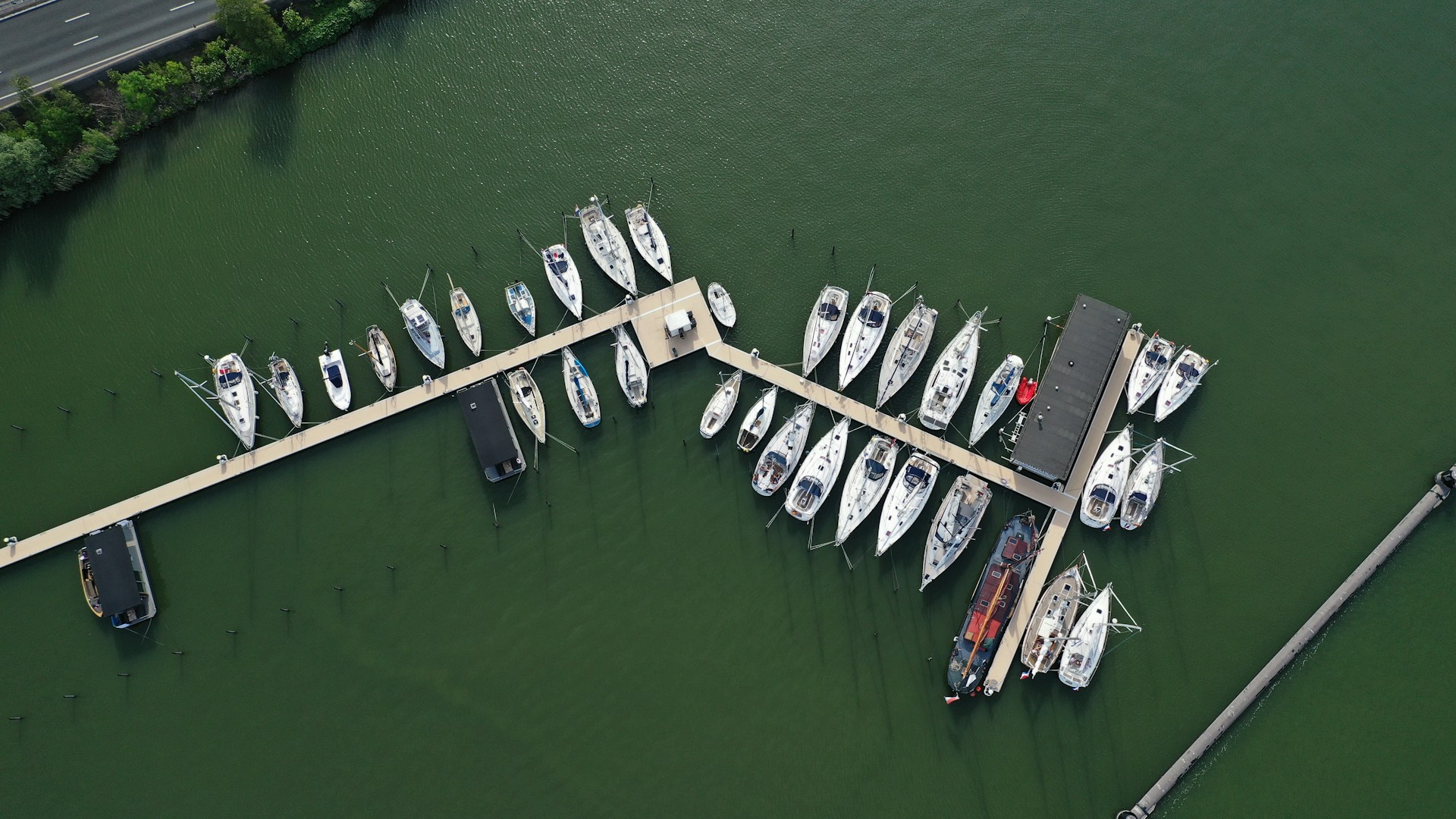
An open floating dock is the simpler option. With no roof or permanent cover, it offers unobstructed views and a flexible platform for swimming, fishing, and boating. Open docks are popular for their lower cost and adaptability, especially in areas where winter ice conditions demand seasonal removal or adjustments.
Pros of Covered Floating Docks
- Protection for Boats and Gear
A covered dock shields your boat from harsh UV rays, heavy rainfall, and snow accumulation. This reduces wear and tear, saving money on repairs and extending the life of your equipment.
- Comfort and Shade
Spending a full day by the water can be intense in the summer sun. A covered dock provides relief, making it more enjoyable to lounge, fish, or entertain without constant exposure.
- Added Property Value
For many buyers, a covered dock is a premium feature. It signals investment in long-term waterfront living and can make your cottage or lake home more appealing on the market.
- Year-Round Usability
With a roof in place, you’re more likely to use your dock in less-than-perfect weather. Covered docks become a cozy shelter during light rain or cooler evenings.
Cons of Covered Floating Docks
- Higher Upfront Cost
Adding a roof structure increases material and labor expenses. Covered docks are an investment, and the initial cost can be significant compared to open docks.
- More Maintenance
A roof requires regular upkeep—especially in northern climates where snow loads can stress the structure. You’ll need to budget for ongoing inspections and maintenance.
- Restricted Views
While shade is a benefit, the structure can obstruct panoramic lake views. Some property owners feel that a covered dock interrupts the natural beauty of the shoreline.
- Regulatory Considerations
Depending on your location in Manitoba or Northwestern Ontario, building codes or shoreline regulations may limit covered dock installations. Always check local guidelines before committing.
Pros of Open Floating Docks
- Lower Cost
Open docks are generally more affordable to build and maintain. This makes them a great entry point for first-time waterfront property owners.
- Flexible Use
Without a roof, you have more freedom to rearrange furniture, add swim ladders, or launch paddleboards and kayaks. Open docks adapt easily to changing needs.
- Unobstructed Views
For those who love wide-open lake scenery, an open dock delivers. You’ll have clear sightlines of sunsets, wildlife, and boat traffic without a roof overhead.
- Easier Installation and Removal
In regions where ice damage is a concern, open docks are lighter and easier to adjust seasonally. This helps protect your investment through tough winters.
Cons of Open Floating Dock
- Limited Protection
Without a cover, boats and gear are exposed to sun, wind, and precipitation. You may need to invest in tarps, boat lifts, or off-season storage.
- Less Comfort in Harsh Weather
Open docks offer little escape from blazing sun or sudden rain. Extended time on the dock may require umbrellas or portable shelters.
- Shorter Equipment Lifespan
Continuous UV and moisture exposure can shorten the life of your dock accessories and boats, adding to long-term maintenance costs.
Which Dock Style Is Right for You?
The decision comes down to lifestyle and budget. If you want maximum protection for boats and gear, comfort for gatherings, and an added boost to property value, a covered floating dock is likely your best bet. But if you’re seeking affordability, flexibility, and a simple platform to enjoy the lake, an open floating dock might be the smarter choice.
For cottagers in Manitoba, Kenora, and Northwestern Ontario, it’s also important to consider winter ice pressure. In areas where seasonal dock removal is required, open docks may be easier to manage. On larger lakes where you plan to keep boats docked most of the summer, a covered structure may prove more practical in the long run.
Final Thoughts
Both covered and open floating docks have their advantages. The right choice depends on how you balance cost, comfort, aesthetics, and maintenance. A dock is more than just a platform—it’s the heart of cottage life, a gathering place, and a launch point for adventure.
If you’re ready to explore options or upgrade your current setup, Nor Col Docks can help. Our team specializes in floating docks built for Manitoba, Saskatchewan, and Northwest Ontario conditions. Learn more and get in touch through our contact page, or connect with us on Facebook to see real dock projects and cottage life inspiration.