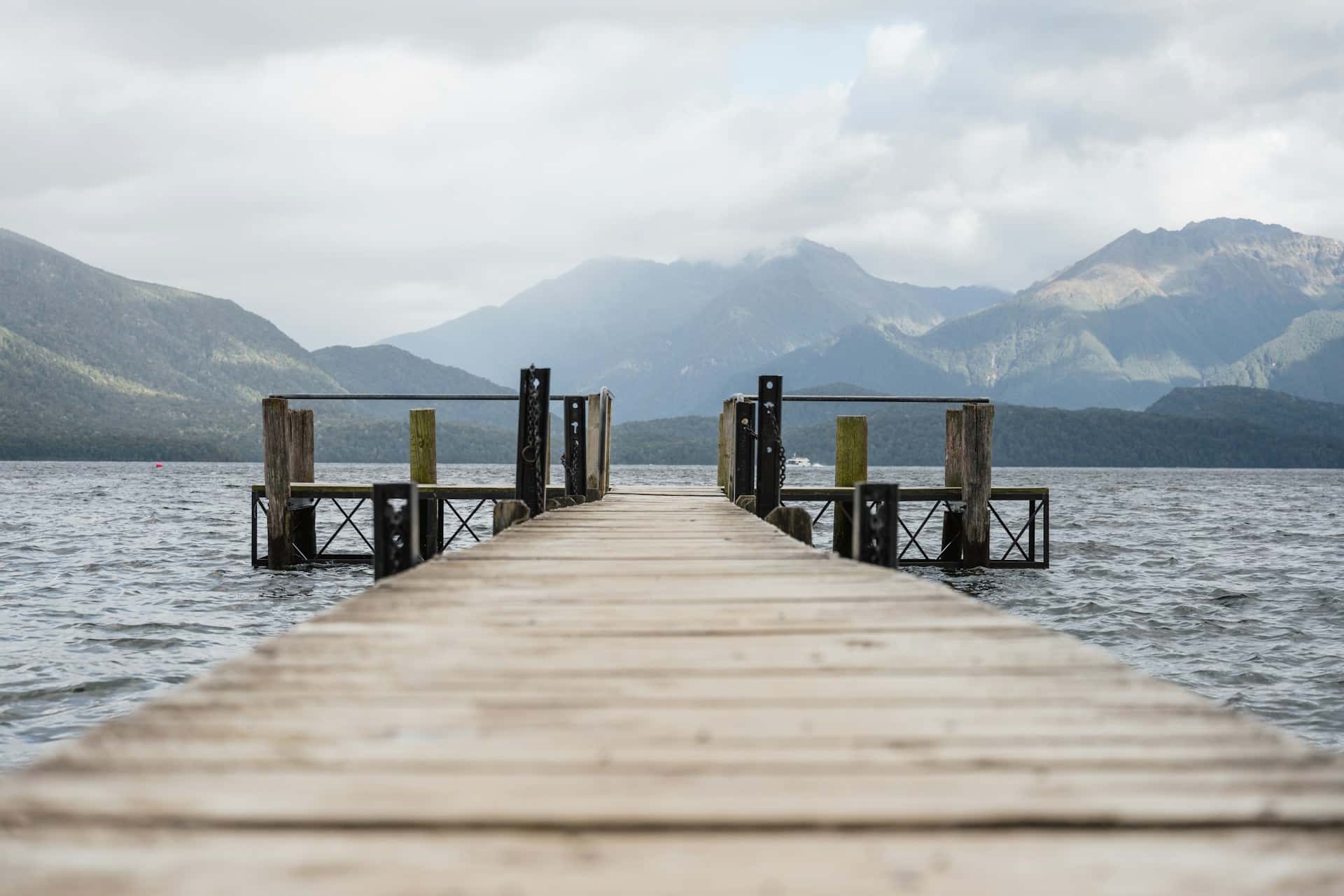
Spring in Central Canada means it’s almost time to get back on the water—but before that first boat ride or early morning coffee on the dock, there’s one essential task: making sure your dock is ready. Winter can be tough on lakefront structures. Ice, wind, and fluctuating water levels all leave their mark. The good news? Most dock repairs can be handled with a few tools, a free afternoon, and a little know-how.
Here’s a step-by-step guide to the DIY dock repairs you can tackle before lake season begins.
Why Early Dock Maintenance Matters
Catching small issues early can prevent costly damage later. A loose board might seem harmless in May, but by August it could become a safety hazard—or worse, lead to structural problems. Regular maintenance keeps your dock stable, safe, and looking sharp for years to come.
Plus, spring repairs are easier to handle before the lake warms up and boat traffic picks up. It’s the perfect time to do the work so you can relax all summer.
Step 1: Inspect Your Dock Thoroughly
Start with a full walk-around. Check every board, joint, and connection point. Look for:
– Cracked or rotting wood.
– Rusted or missing bolts.
– Warped decking that could cause tripping.
– Damaged flotation barrels or air leaks in modular systems.
– Loose connections at the shoreline or gangway.
Bring a notepad or take pictures as you go—documenting issues makes it easier to plan materials and repairs.
Step 2: Tighten and Replace Hardware
Metal hardware expands and contracts during seasonal temperature swings. Use a wrench or ratchet set to tighten bolts, nuts, and brackets. Replace any corroded or missing pieces with stainless steel or galvanized hardware—both resist rust and last longer in wet conditions.
If you notice excessive movement or shifting in your dock sections, inspect anchor chains and cables. Replace any that show wear or fraying.
Step 3: Replace Damaged Deck Boards
Wooden decking, especially untreated boards, takes a beating from sun and water. Replace any boards that are soft, split, or warped. If the majority of your deck is weathered, consider switching to composite or plastic decking. It’s low-maintenance, long-lasting, and environmentally friendly.
When replacing boards:
– Leave a small gap (around ¼ inch) between boards for water drainage.
– Use coated or stainless steel screws to prevent rust stains.
– Align new boards in the same direction for a uniform look.
Step 4: Inspect and Repair Floatation
Floating docks depend on buoyant drums or encapsulated float systems. Check each one for cracks, leaks, or uneven buoyancy. If your dock leans or dips on one side, a flotation drum may be taking on water.
To test flotation barrels, remove and gently shake or tap them to listen for water inside. Replace any that feel heavy or show visible damage. Modern encapsulated drums are sealed and resist cracking even in extreme temperatures—an upgrade worth considering if your system is aging.
Step 5: Shore Connection and Anchoring Checks
Your dock is only as stable as its connection to the shore. Inspect hinge points, pins, and cables for corrosion or misalignment. Anchors should be secure but flexible enough to allow natural movement.
If you use chains, make sure they have some slack to accommodate water-level changes. For more secure systems, switch to helical anchors—they twist into the lakebed with minimal disturbance and offer strong, stable support.
Step 6: Replace Bumpers and Cleats
Dock bumpers, fenders, and cleats take daily abuse from boats, weather, and debris. Over time, UV rays cause them to crack or harden. Replace worn bumpers and upgrade to heavy-duty rubber or PVC options that better absorb impact.
When installing new cleats, use proper backing plates underneath for extra strength—especially if you dock heavier boats.
Step 7: Level and Reposition Dock Sections
During freeze-thaw cycles, shorelines shift, and dock legs can sink unevenly. Use a level to check each section of your dock. Adjust heights using a dock jack or wrench system. For floating docks, reposition anchor lines evenly to ensure a balanced float.
An uneven dock isn’t just unsightly—it’s unsafe. Fixing it now keeps everything solid when lake activity ramps up.
Step 8: Treat or Clean Decking
Once repairs are complete, clean your dock surface. A biodegradable dock cleaner or simple mix of vinegar and water removes algae, grime, and mildew. Avoid chlorine bleach—it can harm aquatic life and degrade materials.
If you have wooden decking, consider resealing it with an eco-friendly finish that repels water and UV damage. Composite or plastic decking only needs a rinse with mild soap and water.
Step 9: Check Electrical and Lighting Systems
If your dock includes lighting, outlets, or lift motors, inspect all wiring and connections before powering up for the season. Look for frayed cords or cracked casing. Tighten conduit clamps and use waterproof junction boxes to prevent short circuits.
Never perform electrical work while standing on wet surfaces or in contact with metal dock parts. If something looks unsafe, call a professional electrician familiar with marine systems.
Step 10: Test Your Work
After repairs, test your dock’s stability by walking its full length. Rock it gently to check for unusual movement or squeaks. Step on corners to ensure the structure holds evenly. If everything feels solid and balanced, your dock is ready for action.
Bonus: Small Upgrades That Go a Long Way
While you’re in repair mode, consider a few quick improvements:
– Add solar dock lights for nighttime visibility.
– Install a ladder for easy swimming access.
– Replace old cleats with folding models for a cleaner look.
– Add non-slip strips to high-traffic areas for extra safety.
Mistakes to Avoid
– Ignoring minor cracks or wobbles—they rarely fix themselves.
– Using untreated wood or interior-grade screws.
– Cleaning with harsh chemicals that damage the lake ecosystem.
– Overloading sections with gear or furniture before testing structural strength.
Regular dock upkeep saves money, prevents accidents, and extends your system’s life by years. Plus, it feels good to know your lakefront is safe and ready when the warm weather finally hits.
Conclusion
Getting your dock in shape doesn’t have to be complicated or expensive. With a little time, the right tools, and some early-season effort, you can handle most repairs yourself—and enjoy a smooth start to summer on the lake.
If you need help finding the right materials or want advice on professional upgrades, reach out to Nor Col Dock Solutions. Contact us or follow us on Facebook for updates, lakefront tips, inspiration, and project ideas.
Nor Col Dock Solutions (formerly Nor Col EZ Dock) proudly serves Central Canada, Kenora, Saskatchewan, Manitoba, and Northwest Ontario—helping lake homeowners build, repair, and enjoy docks that last for generations.