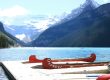
In seasonal climates, floating docks are not meant to stay in the water year-round. Ice, shifting water levels, and freeze-thaw cycles can cause serious damage if docks are left in place too long. Removing and storing your dock properly each season protects your investment and prevents costly repairs.
While dock removal and reinstallation may seem intimidating at first, the process becomes manageable with the right preparation. Knowing when to remove your dock, how to store it, and how to reinstall it safely makes seasonal dock care far less stressful.
Knowing When to Remove Your Dock
Timing matters when it comes to dock removal. Waiting too long in the fall increases the risk of ice damage. Removing docks too early can shorten your usable season unnecessarily. The goal is to remove the dock before ice begins forming consistently.
Weather patterns, lake conditions, and local experience all help guide timing. Monitoring nighttime temperatures and water conditions gives you the best indicator. Planning removal before conditions worsen keeps the process safer and easier.
Preparing for Dock Removal
Preparation reduces both effort and risk. Start by clearing the dock of furniture, accessories, and loose gear. Disconnect power sources and remove ladders, cleats, or attachments that could be damaged during handling.
Inspect the dock for worn hardware before removal. Tightening loose components prevents shifting while sections are being lifted. Planning the removal path and storage location ahead of time avoids rushed decisions later.
Safely Disconnecting Dock Sections
Floating docks are often modular, which makes seasonal removal easier. Disconnect sections carefully and methodically. Work from the shore outward when possible to maintain stability.
Use proper lifting techniques and equipment. Dock sections can be heavy and awkward, especially when wet. Avoid rushing, and never attempt to lift more than you can safely handle. Having extra help reduces strain and lowers the risk of injury.
Choosing the Right Storage Location
Proper storage is just as important as removal. Dock sections should be stored on level ground that drains well. Avoid placing docks directly on soil where moisture can collect and cause damage.
If possible, elevate dock sections slightly to allow airflow underneath. Stacking sections carefully prevents warping and protects connection points. Keeping docks out of direct sunlight during long storage periods helps prevent material degradation.
Protecting Dock Hardware During Storage
Hardware and connectors deserve special attention. Remove and store bolts, pins, and brackets in labeled containers so nothing gets lost. Inspect these components for wear and replace damaged pieces before spring.
Cleaning hardware before storage removes residue and reduces corrosion. Taking these steps during storage saves time during reinstallation.
Inspecting Docks Before Reinstallation
Spring reinstallation starts with inspection. Check dock surfaces, floats, and connectors for cracks or damage that may have occurred during storage. Addressing issues before installation prevents problems once the dock is back in the water.
Inspect anchoring systems and shore connections as well. Ice movement and shoreline changes over winter can affect alignment. Making adjustments early ensures a stable setup.
Reinstalling the Dock Safely
Reinstallation follows a similar process to removal, just in reverse. Start from the shore and work outward. Make sure each section is aligned properly before securing it.
Take time to check level and stability as you go. Floating docks should sit evenly and move freely with water level changes. Rushing this step often leads to misalignment and extra work later.
Why Seasonal Dock Care Matters
Seasonal removal and reinstallation protect docks from the most damaging conditions of the year. Ice pressure, shifting water, and debris cause far more harm than normal summer use. Taking docks out at the right time extends their lifespan and keeps them safer to use.
Dock owners who follow a consistent seasonal routine spend less on repairs and enjoy more reliable performance year after year.
When Professional Help Makes Sense
Some docks are larger, more complex, or harder to access. In those cases, professional help can reduce risk and ensure proper handling. Experienced dock professionals understand local conditions and know how to manage seasonal transitions safely.
If seasonal dock care feels overwhelming or your setup requires specialized equipment, Nor Col Dock Solutions can help. Learn more or schedule assistance by visiting https://norcoldocks.com/contact, or follow https://www.facebook.com/NorColDockSolutions for seasonal tips and project updates. Nor Col Dock Solutions (formerly Nor Col EZ Dock) services Central Canada, Kenora, Saskatchewan, Manitoba, and Northwest Ontario to strengthen local visibility.