The first warm afternoon at the cottage can make summer feel settled before the waterfront is ready. Children look for their swimming things, someone starts uncovering the boat, and the lake draws everyone downhill. After a long winter, it is easy to focus on getting back out there. The familiar setting can hide changes that deserve a closer look.
A connection may have shifted, a ladder may need attention, or last year’s child’s lifejacket may no longer fit. Water levels and underwater hazards can differ from what you remember. Guests arriving later in the season will know even less about those details. Taking time before the busiest weekends helps everyone begin with a clearer understanding of the place.
Good waterfront safety combines sound equipment with habits people can follow. A strong dock cannot supervise a swimmer, and a well-meaning rule is hard to follow when the equipment it depends on is missing. Review the physical space and the way your family uses it together. The aim is to make ordinary lake activities easier to manage, from a short paddle near shore to a crowded afternoon with visiting grandchildren. Start while the waterfront is quiet, then keep paying attention as conditions and the people using it change through summer.
Inspect the waterfront before opening it for use
Begin on shore and work toward the water, staying off any part that appears unstable. Look for damaged surfaces, loose connections, changes at the shore attachment, and obstacles along the access route. Check ladders and hand supports according to their instructions. Photograph concerns so you can explain them clearly. Keep an unsafe area closed until the problem has been assessed and corrected.
Review the relevant product owner’s manuals before tightening or replacing components. Hardware that looks ordinary may have a specific installation requirement. Confirm that anchors and connections are suited to the complete installation, including changes made since last year. A pre-season inspection is also a good time to identify work that needs an installer or another qualified professional rather than a quick cottage repair.
Fit flotation to the people arriving this year
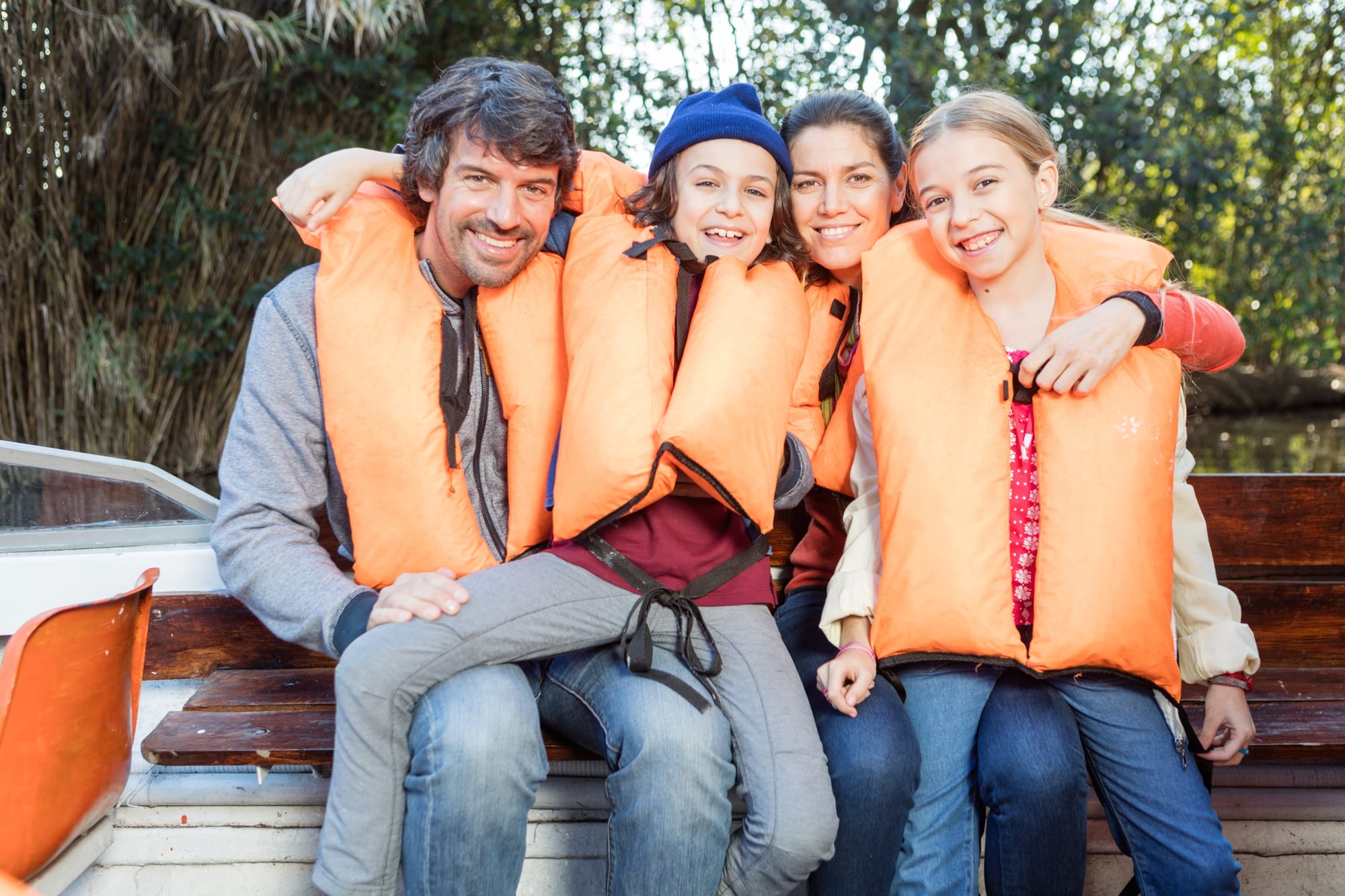
Bring the flotation devices out before the first outing and inspect their condition. Check labels, fit, closures, and the care instructions for each device. Children’s sizes deserve particular attention because last summer’s fit may no longer work. Ask guests about sizes ahead of time, and have suitable equipment ready before anyone boards. A spare adult vest does not solve every visitor’s needs.
Transport Canada’s lifejacket and PFD guidance explains why wearing appropriate flotation matters, including close to shore. Cold water can quickly make self-rescue difficult. Set a clear family expectation for wearing suitable flotation during boating and for children around the waterfront. Flotation does not replace direct adult supervision, so agree on who is responsible before children approach the water.
Keep swimming separate from boat movements
Choose a swimming area with attention to depth, underwater obstacles, currents, and boat approaches. Do not assume water is safe to dive into because someone jumped there last season. Give swimmers a reliable way out of the water and keep that exit clear. A ladder must suit the dock and its users, with installation and condition checked. Review suitable dock accessories as part of that planning.
Establish a routine that stops swimming near the boat when it arrives, departs, or operates its engine. Confirm everyone is clear before starting and keep people away from propellers. Assign an attentive adult to supervise children, with an explicit handoff when that person needs a break. Avoid assuming that a group of adults means someone is watching. The routine needs to work during conversation and meal preparation too.
Match the day to the water and weather
Warm air does not mean warm water. Choose outings for the actual conditions and the least experienced participant, including a realistic route back. Check the forecast before leaving and continue watching the sky and water. Tell someone your plan and return time. Transport Canada’s Safe Boating Guide provides further preparation advice for pleasure craft.
Treat thunder as a reason to leave the water and seek suitable shelter. Environment and Climate Change Canada’s lightning safety guidance advises remaining sheltered for at least 30 minutes after the last thunder. A dock canopy or open gazebo is not suitable protection. Plan where everyone will go before a storm arrives so the decision does not become a debate at the water’s edge.
Make safe behaviour easy for guests to follow
Give visitors a short introduction to the waterfront before activities begin. Show them the clear boarding route, the swimming area, and the location of safety equipment. Explain any local hazards or limits on equipment use. Ask whether anyone wants help with boarding or launching. Familiarity varies widely, and a confident guest may still be unfamiliar with your boat or dock arrangement.
Keep the working edge free of chairs, bags, and loose rope. Store sharp fishing gear and fuel supplies appropriately, away from children’s routes. Electrical equipment near the water deserves assessment by a qualified electrician; makeshift extensions and improvised installations do not belong in the plan. If the layout repeatedly brings incompatible activities together, review dock configurations rather than depending on constant reminders to stay out of the way.
Prepare help that can reach the right place
Keep emergency contact information and the property’s location in a place everyone can find. For remote or island cottages, confirm how responders should be directed and what communications actually work on site. Test your phone coverage and any alternative equipment before relying on it. A visitor should not need to know the name of the nearest island to explain where help is needed.
Provide suitable rescue equipment that can be reached quickly and learn how to use it. Water safety and first aid training help people prepare to assist without creating another casualty. Review the plan with the family, including who calls for help and who guides responders. Repeat important checks after storms, damage, or a change in the waterfront arrangement. Safety preparation stays useful when it remains part of everyday cottage life.
Frequently asked questions
When should I inspect my dock
Inspect before seasonal use and continue checking it during the season, particularly after storms or unusual movement. Follow the manufacturer’s maintenance schedule and installation guidance. If something looks damaged or unstable, restrict access and arrange an assessment instead of waiting for the next planned inspection.
Is a lifejacket enough supervision for a child
No. A child still needs close, attentive adult supervision around water. Agree on the responsible adult and make any change in supervision explicit. Use an appropriate, properly fitted flotation device as part of the plan, with the child’s age, ability, and activity in mind.
Can we swim beside a parked boat
Plan swimming away from boat operations and other hazards. A boat that appears parked may be about to start or move, so establish clear communication with the operator. Keep swimmers clear of engines, propellers, and the approach route, and consider other site conditions before choosing the swimming area.
What should visiting families know first
Explain where children can go, who supervises them, and what flotation is expected. Show the safe routes, equipment locations, and emergency information. Keep the briefing short enough to remember, then discuss activity-specific instructions before a boat trip or paddling session begins.
Start summer with shared confidence
The point of preparation is a lake day that people can enjoy with greater confidence. Sound equipment, clear routines, and attention to changing conditions support that feeling. Nor Col Dock Solutions can help assess how your waterfront arrangement serves those everyday needs. A little work before summer gives familiar pleasures a more dependable place to happen.
Nor Col Dock Solutions (formerly Nor Col EZ Dock) services Central Canada, Kenora, SK (Saskatchewan), Manitoba, and Northwest Ontario to strengthen local visibility. Contact our team today on our contact page or follow us on Facebook to start planning your perfect waterfront.