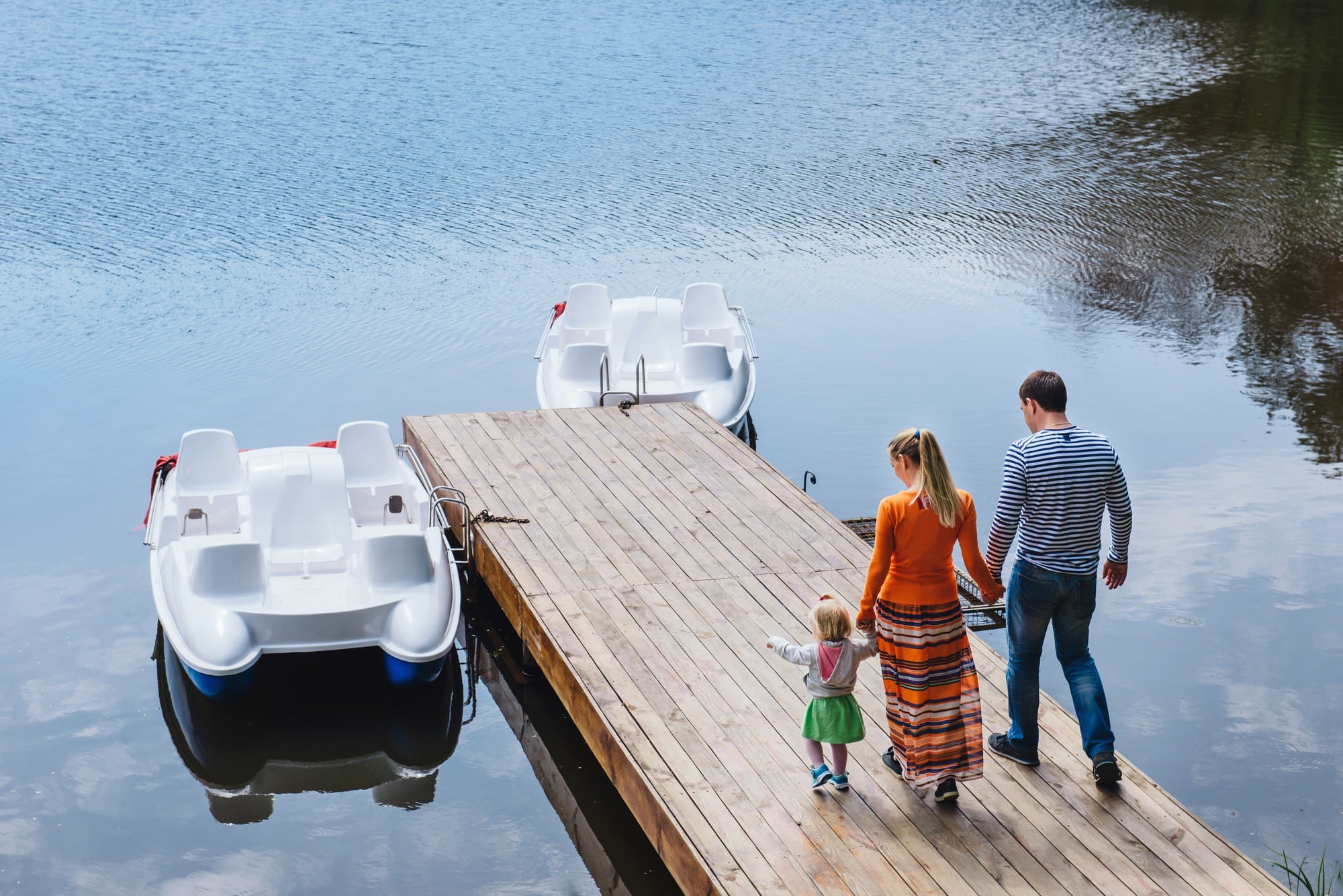
The first boat ride to a cottage on Lake of the Woods can become part of a guest’s memory before the weekend has properly begun. Islands pass on either side, someone points out the cabin through the trees, and the dock comes into view. For the host, the arrival is familiar. For a visitor, almost everything is new, including where to stand when the boat reaches shore.
That difference shapes the whole stay. You know which step is uneven, where the lifejackets hang, and how quickly wind can change your plans. Your guests may be trying to carry a bag, keep track of a child, and understand instructions over an engine. Good hosting makes those ordinary moments easier without filling the weekend with rules.
A better cottage experience begins with a little thought about what a newcomer cannot know. Clear arrival plans, comfortable access, and a calm introduction to the waterfront help guests relax sooner. They also spare the host from answering the same questions while preparing meals or handling a boat. Whether visitors arrive by road near Kenora or travel to an island property, the goal is much the same. Give them enough guidance to feel at home, enough choice to enjoy the lake in their own way, and enough support to take part comfortably.
Make arrival simple before guests leave home
Send practical directions ahead of the visit, including the meeting point if a boat transfer is involved. Explain what luggage works best and what guests should bring for the weather and water conditions. Ask privately about mobility needs, children’s flotation sizes, and concerns about boating. These questions let you plan suitable help before someone faces an awkward moment at the dock. They also make a guest feel considered rather than singled out.
For boat-access properties, describe what happens if weather delays the crossing. Share a reliable contact method and a backup meeting plan where coverage may be uncertain. Keep baggage manageable and within the boat’s loading limits. A relaxed arrival depends on leaving enough time for the trip, including unloading. Nobody should feel pressure to rush across open water because supper is already on the table.
Give the dock a clear welcoming role
Before visitors arrive, clear the boarding area of toys, spare lines, and furniture. Have a place ashore where bags can be set down without blocking the next person. Let one capable person handle the boat while another helps guests follow instructions. Avoid a crowd gathering at the edge to greet everyone at once. There will be plenty of time for hugs after people have stepped away from the working area.
Review the shore connection as part of the welcome. A familiar gap or steep transition can be difficult for someone carrying luggage or using a cane. Suitable gangways deserve consideration when planning easier access, but their fit depends on the site and water-level range. Ask guests how the route feels to them. Their observations can reveal obstacles that long-time owners have stopped noticing.
Offer a short waterfront introduction
Show guests where the flotation devices are kept, how to reach the cottage from the dock, and which areas are used for boats and swimming. Explain any site-specific hazards plainly. Point out emergency equipment and the information needed to describe the property’s location. Keep this conversation friendly and brief, then repeat details when a particular activity begins. People remember instructions better when they can connect them to what they are doing.
Do not assume a visitor who enjoys water sports knows your equipment. A kayak may feel different from the one they used last summer, and a boat’s boarding arrangement may be unfamiliar. Give each person time to practise in suitable conditions. A dedicated kayak launch can support entry and exit, but it does not replace instruction, properly fitted flotation, or choosing an outing that matches the paddler’s ability.
Make room for different kinds of lake days
Some guests want to fish before breakfast. Others want a shaded chair, a book, and a place to watch the activity. Plan a comfortable spot on firm ground for people who prefer to stay ashore, with a view that lets them feel included. Keep seating outside carrying routes and provide a practical place for drinks and belongings. Guests should not have to join every water activity to enjoy being at the cottage.
Think about how these preferences affect the waterfront layout. The person reading should not have to move whenever a boat docks, and fishing tackle should stay away from the swimming route. Different dock configurations can help you think through those relationships. Often, a small change ashore provides the quiet sitting area more effectively than adding furniture to an already busy platform.
Let guests find things without asking
A little preparation removes many interruptions. Keep dry towels in a known place, show guests where wet gear should hang, and give them a shelf or container for personal belongings. Mark shared storage with simple labels. Leave necessary safety equipment visible and accessible. An attractive waterfront becomes less welcoming if visitors must ask permission to locate every ordinary item they need.
Consider useful dock accessories in terms of the task they solve, such as supporting orderly equipment storage or a suitable water exit. Avoid adding gadgets simply because they seem convenient in a catalogue. Every attachment needs to fit the dock and its intended use. A modest arrangement that visitors understand will usually serve them better than a crowded collection of unfamiliar features.
Plan for changes in weather and energy
Leave open space in the weekend schedule. Wind, rain, or a tired child can turn an ambitious outing into a poor fit. Have an enjoyable shore-based alternative ready and give people permission to stay behind without feeling they have spoiled the plan. Check conditions before each water trip rather than relying on the morning forecast. Lake of the Woods deserves attention even on a visit built around relaxation.
End each day with a simple shared routine. Bring loose belongings ashore, dry equipment, and check the next day’s plans before everyone disappears into the cottage. Before departure, gather bags away from the boarding edge and allow enough time for an orderly return. These small habits make hosting less tiring. They also leave guests with the feeling that cottage life is something they can participate in, rather than something the host must manage for them.
Frequently asked questions
What should I tell first-time cottage guests
Share travel details, packing advice, and the basic arrival plan before the visit. Once they arrive, explain waterfront activity areas, flotation equipment, emergency information, and any hazards specific to the property. Keep the first introduction short and add instructions when an activity begins.
How can I help a guest who is nervous around boats
Ask what would make the experience more comfortable and explain the boarding process before approaching the edge. Choose suitable conditions, provide properly fitted flotation, and give clear instructions one step at a time. Offer another way to enjoy the visit if the guest prefers to remain ashore.
Should every guest have their own flotation device
Every person needs access to an appropriate, properly fitted Canadian-approved lifejacket or PFD for the planned boating activity. Transport Canada’s flotation guidance explains selection and use. Check sizes in advance, particularly for children, and encourage wearing the device throughout the outing.
What makes a guest waterfront easier to use
Clear routes, an uncluttered boarding space, understandable storage, and a comfortable place to pause all help. Ask visitors about the whole journey from the cottage to the boat. Improvements work best when they reflect the people using the property rather than the host’s familiarity with it.
Help the weekend feel like a welcome
Guests tend to remember the conversation on the dock and the light across the water. Thoughtful planning gives those moments room to happen. Nor Col Dock Solutions can help you consider waterfront changes that support easier visits, from arrival to the last bag aboard. A good host does not need a perfect cottage, only a place where people feel comfortable joining in.
Nor Col Dock Solutions (formerly Nor Col EZ Dock) services Central Canada, Kenora, SK (Saskatchewan), Manitoba, and Northwest Ontario to strengthen local visibility. Contact our team today on our contact page or follow us on Facebook to start planning your perfect waterfront.