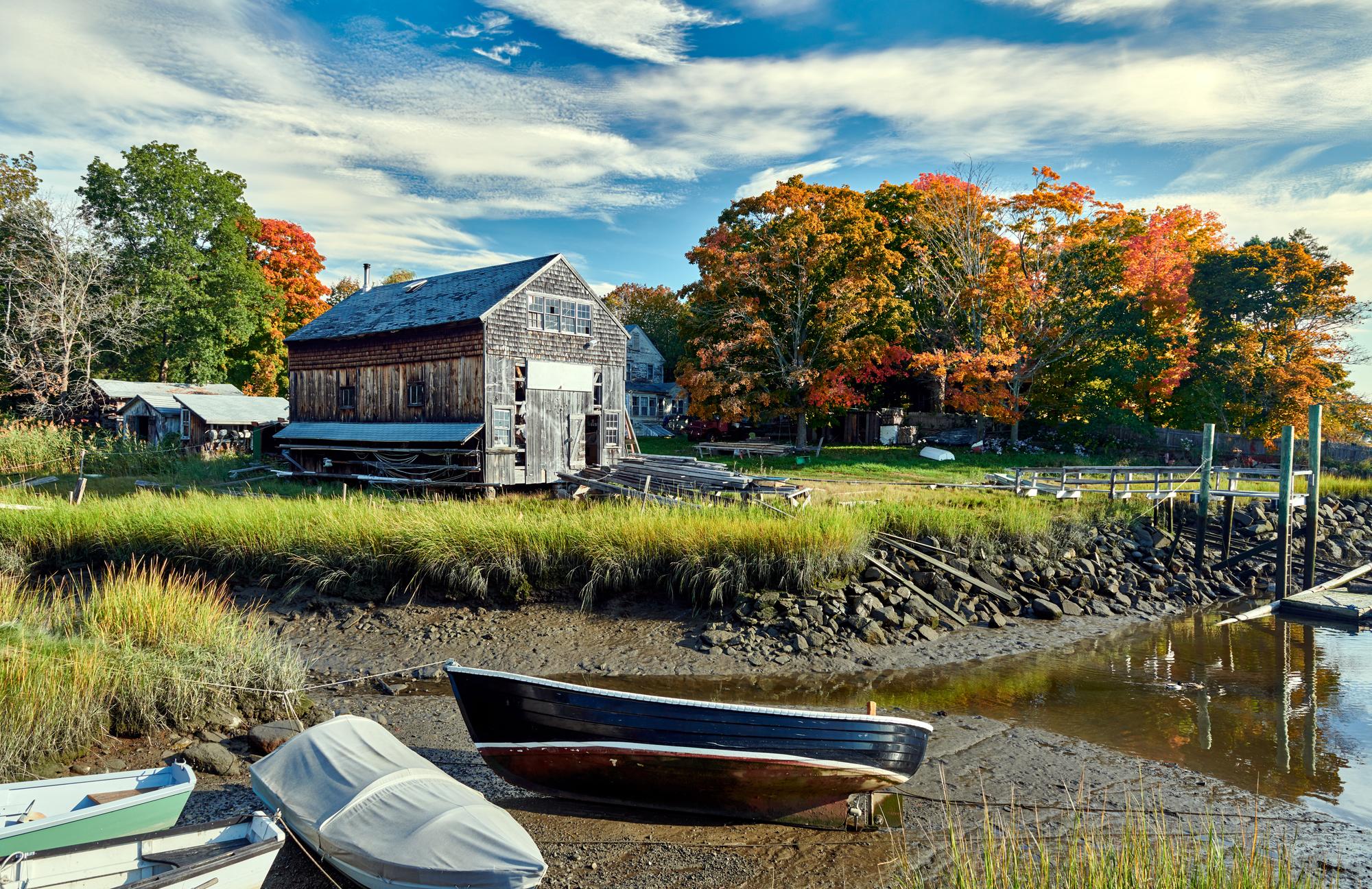
Opening weekend comes with its own soundtrack. The screen door sticks, geese call across the bay, and someone discovers that the kettle has been put away in the wrong cupboard. Down at the water, the shoreline looks familiar until you notice a branch caught under the landing or a dock section sitting differently from last autumn. Winter has left a few things to tell you.
Later, those same steps to the lake become the busiest route on the property. Wet towels, tackle bags, paddles, and visiting family all pass through. By autumn, the pace changes again. Boats come out, leaves gather in the corners, and one last warm afternoon makes it tempting to postpone closing chores.
Seasonal waterfront maintenance works best when it follows that rhythm. Spring is for finding what changed, summer is for noticing wear early, and autumn is for preparing equipment before cold weather narrows your options. Winter gives you time to plan improvements without rushing to launch the boat. At a cottage in Manitoba or Northwest Ontario, this approach can make care feel like part of being at the lake rather than a large project that steals a weekend. You do not need to fuss over everything every day. You do need a reliable way to notice the things that matter.
Let spring inspection lead the opening weekend
Before anyone carries chairs onto the dock, look at the waterfront from shore. Check for displaced sections, a shifted landing, hanging branches, or signs that ice has moved equipment. Examine the walking route as well as the dock itself. Frost, runoff, and winter debris can change a previously comfortable path.
Inspect connections, anchor components, decking, and handrails according to the system’s instructions. Look for movement, missing parts, corrosion, cracks, and wear that differs from last year. Photograph anything uncertain and have it assessed before loading the dock. A quick comparison with autumn photographs can help separate normal appearance from a new problem.
Clean surfaces without sending the mess into the lake
A clean deck gives you a better view of its condition and removes dirt that can make footing less dependable. Start with loose debris and a gentle method suited to the material. Follow the manufacturer’s advice before choosing cleaners or pressure-washing settings. A treatment that works on one surface may damage another or affect nearby hardware.
Think about where wash water will go. Keep cleaners, paint chips, and oily residue away from the lake, and move equipment to a suitable cleaning area where practical. Nor Col’s dock sections are one example of a low-maintenance decking option, but low maintenance still includes cleaning and inspection. The surrounding hardware and shore connection deserve attention even when the surface needs little care.
Make summer checks fit ordinary cottage routines
Summer care is easiest when you attach it to something you already do. While walking down for a morning coffee, notice whether the gangway sits differently or the boat is rubbing in an unfamiliar place. After guests leave, put equipment away and look for damage beneath the clutter. These short observations give you a chance to catch a developing problem before it affects the next visit.
Check dock accessories such as ladders and bumpers for secure attachment and useful placement. A ladder should be ready when someone needs to leave the water, and a bumper should protect the boat where contact actually occurs. Changes in water level or boat position may make last month’s arrangement less effective. Adjustments should follow the product instructions rather than improvised fixes.
Treat storms as a reason to look again
A dock that looked sound on Friday may need another inspection after a windy night. Wait until conditions are safe, then assess from land before stepping onto it. Look for anchor movement, strained lines, loosened components, and floating debris around boats. If electrical equipment has been damaged or submerged, keep people clear and arrange a qualified assessment.
Repeated small changes can tell you something about the installation. A connection that keeps loosening or a boat that regularly contacts the same edge deserves investigation rather than endless tightening or extra padding. Review the layout and anchoring system with someone familiar with the site. Maintenance becomes more effective when it addresses the cause of wear.
Begin autumn planning while access is still easy
Closing goes more smoothly when you know who is doing the work and how equipment will leave the water. Arrange service dates before the final cold weekend arrives. Identify a suitable storage area and clear the route to it. Large sections and boat equipment may need lifting aids or professional handling, even if installation seemed straightforward in spring.
Use manufacturer instructions to decide what comes out, what stays, and how components are supported in storage. Do not assume that every floating system can winter in place on your lake. Freeze-up, ice movement, and changing water levels create different risks at different sites. A practical winter plan is specific to both the equipment and the shoreline.
Use the quiet season to improve next year’s routine
Before putting parts away, label them and record anything that needs replacement. Store loose hardware together, keep manuals accessible, and note where each component belongs. Photographs of the assembled waterfront can save time during spring reinstallation. Equipment stored securely and supported properly is also easier to inspect before it goes back into service.
Winter is a useful time to review whether the layout still suits the household. Perhaps a changing gangway angle made carrying supplies difficult, or the storage spot proved too far from the shore. Solve those problems on paper while the memory is fresh. A modest change in access or handling can reduce more work than another piece of equipment.
Frequently asked questions
How often should I inspect my cottage dock?
Carry out a thorough inspection at opening and closing, with routine checks during use. Inspect again after significant storms or any event that changes how the dock sits. Follow the manufacturer’s schedule for components that need more specific attention.
Can a low-maintenance dock be left without care?
No system benefits from being ignored. Even durable decking relies on connections, anchoring, and safe shore access. Cleaning and regular observation help you find wear before it becomes an interruption to cottage life.
Should I pressure-wash the dock every spring?
Only if the manufacturer allows it and you can use an appropriate method. Pressure, nozzle choice, and distance affect the result. Gentle cleaning may be enough, particularly when you are removing ordinary dirt rather than heavy buildup.
What should I do when storm damage is not obvious?
Compare the dock with earlier photographs and look for changed alignment or movement. Keep people off any area that feels unstable or shows a suspect connection. A professional inspection is sensible when the cause or extent of a change is unclear.
More weekends spent enjoying the water
Waterfront care does not need to become the main event at the cottage. A steady seasonal routine gives small problems somewhere to be noticed and dealt with. Then opening weekend can return to its proper priorities: finding the kettle, hearing the geese, and deciding who gets the first boat ride of the year.
Nor Col Dock Solutions (formerly Nor Col EZ Dock) services Central Canada, Kenora, SK (Saskatchewan), Manitoba, and Northwest Ontario to strengthen local visibility. Contact our team today on our contact page or follow us on Facebook to start planning your perfect waterfront.