It is easy to get excited about a new dock project. You visit a neighbor’s cottage, see a beautiful waterfront setup, and immediately begin picturing something similar on your own property. Before long, you are measuring shoreline, sketching layouts on a notepad, and pricing materials online.
That excitement is part of owning a cottage, but it can also lead to one of the most common mistakes waterfront owners make—planning the dock before understanding the property.
Every shoreline has its own personality. Some lakes have deep water only a few feet from shore, while others remain shallow for dozens of metres. Rocky shorelines behave very differently than sandy beaches, and a quiet bay that rarely sees wind presents a completely different set of challenges than an exposed point that absorbs the full force of spring storms.
Those natural conditions often influence the type of dock that makes the most sense just as much as the regulations themselves.
Taking time to understand your shoreline before purchasing materials usually leads to a better investment. It allows you to choose a dock that fits your property instead of trying to force your property to fit a particular dock design.
Just as importantly, good planning gives you an opportunity to identify potential permitting requirements before equipment arrives or construction begins. No one wants to discover halfway through a project that additional approvals are needed.
Understanding Who May Be Involved in Your Project
One reason waterfront regulations can seem confusing is that there is rarely just one office responsible for every decision.
Depending on your property’s location, your project may involve your local municipality, provincial agencies responsible for public lands and water resources, or federal departments that protect fish habitat and navigable waterways. Most cottage owners will not need approvals from every agency, but understanding that multiple jurisdictions may exist helps explain why every project is unique.
For example, replacing an existing seasonal floating dock with a similar system may be relatively straightforward. On the other hand, installing a permanent crib dock, dredging part of the lake bottom, adding fill to create more shoreline, or constructing retaining walls can introduce additional environmental and regulatory considerations.
The size of the project matters. So does its location, the surrounding habitat, and even how the dock will be used.
Rather than asking, “Do I need a permit?” a better question is, “Who should I speak with before I begin?” That simple shift in thinking often saves time and provides peace of mind throughout the project.
Why Floating Docks Continue to Grow in Popularity
Spend a summer driving through cottage country around Kenora, Whiteshell, or Lake of the Woods, and one trend quickly becomes apparent. More waterfront owners are choosing floating dock systems than ever before.
There are practical reasons for that shift.
Many lakes across Central Canada experience changing water levels from year to year. Heavy spring runoff, changing rainfall patterns, and seasonal fluctuations all affect where the shoreline begins and ends. A fixed dock that works perfectly one season may be too high or too low the next.
Floating docks naturally rise and fall with changing water levels, providing more consistent access throughout the boating season. They also tend to disturb the lake bottom less than many traditional dock designs, which can be an advantage when protecting sensitive aquatic environments.
Another benefit is flexibility. Families change over time. A young couple may only need enough space to launch a fishing boat today, but a few years later they may want additional room for swimming, paddleboards, kayaks, or a personal watercraft. Modular floating dock systems allow the waterfront to grow alongside those changing needs instead of requiring a complete replacement.
That adaptability has made floating docks a popular choice for both seasonal cottages and year-round lake homes throughout Manitoba and Northwest Ontario.
Protecting the Shoreline Protects Your Investment
Some of the healthiest waterfront properties are also the most natural-looking.
It can be tempting to clear every shrub, remove every cattail, and create a perfectly manicured shoreline. While that may seem attractive at first, nature often has a better long-term plan.
Native grasses, shrubs, and shoreline vegetation help hold soil in place during heavy rain. Their roots reduce erosion, filter runoff before it reaches the lake, and provide valuable habitat for birds, amphibians, and fish. Removing too much vegetation can increase erosion and eventually create more maintenance than it prevents.
A thoughtfully designed dock should complement the shoreline rather than compete with it.
Many of the most beautiful cottage properties in Central Canada blend natural landscaping with functional waterfront access. Boardwalks weave gently through existing vegetation, docks extend naturally into deeper water, and the surrounding shoreline retains the character that made the property attractive in the first place.
That approach is not only environmentally responsible—it often creates a more enjoyable place to spend time with family and friends.
Think Beyond This Summer
One question we often encourage cottage owners to ask themselves is simple: “How do I want to use this property five years from now?”
The answer is usually very different from how they plan to use it today.
Perhaps grandchildren will be swimming from the dock. Maybe the family plans to purchase a larger fishing boat. Paddleboards, kayaks, canoes, and personal watercraft may eventually become part of everyday cottage life. Even something as simple as wanting a comfortable place to enjoy morning coffee can influence the size and layout of a dock.
Designing with the future in mind rarely costs significantly more during the planning stage, but it can prevent expensive modifications later. Choosing a modular system, allowing space for future extensions, or planning utility access while the project is underway can all make future improvements much easier.
The best waterfronts are rarely built all at once. They evolve over time as families grow, interests change, and new memories are created.
Designing a Dock That Fits the Way You Enjoy the Lake
The best docks are not necessarily the biggest ones. They are the ones that fit the lifestyle of the family using them.
When people first begin planning a waterfront project, they often focus on dimensions. How wide should it be? Or.How long does it need to extend? How many sections should be included? Those are important questions, but they are not the first ones to ask.
Instead, begin by thinking about how your family spends time at the lake.
If fishing is your favorite pastime, you may want a dock with room to comfortably cast from multiple sides. If your children or grandchildren spend every afternoon swimming, a larger platform with easy access to the water may become the centerpiece of the design. Families who enjoy boating will naturally prioritize convenient mooring and safe boarding, while those who love kayaking or paddleboarding often benefit from lower launch points that make getting on the water much easier.
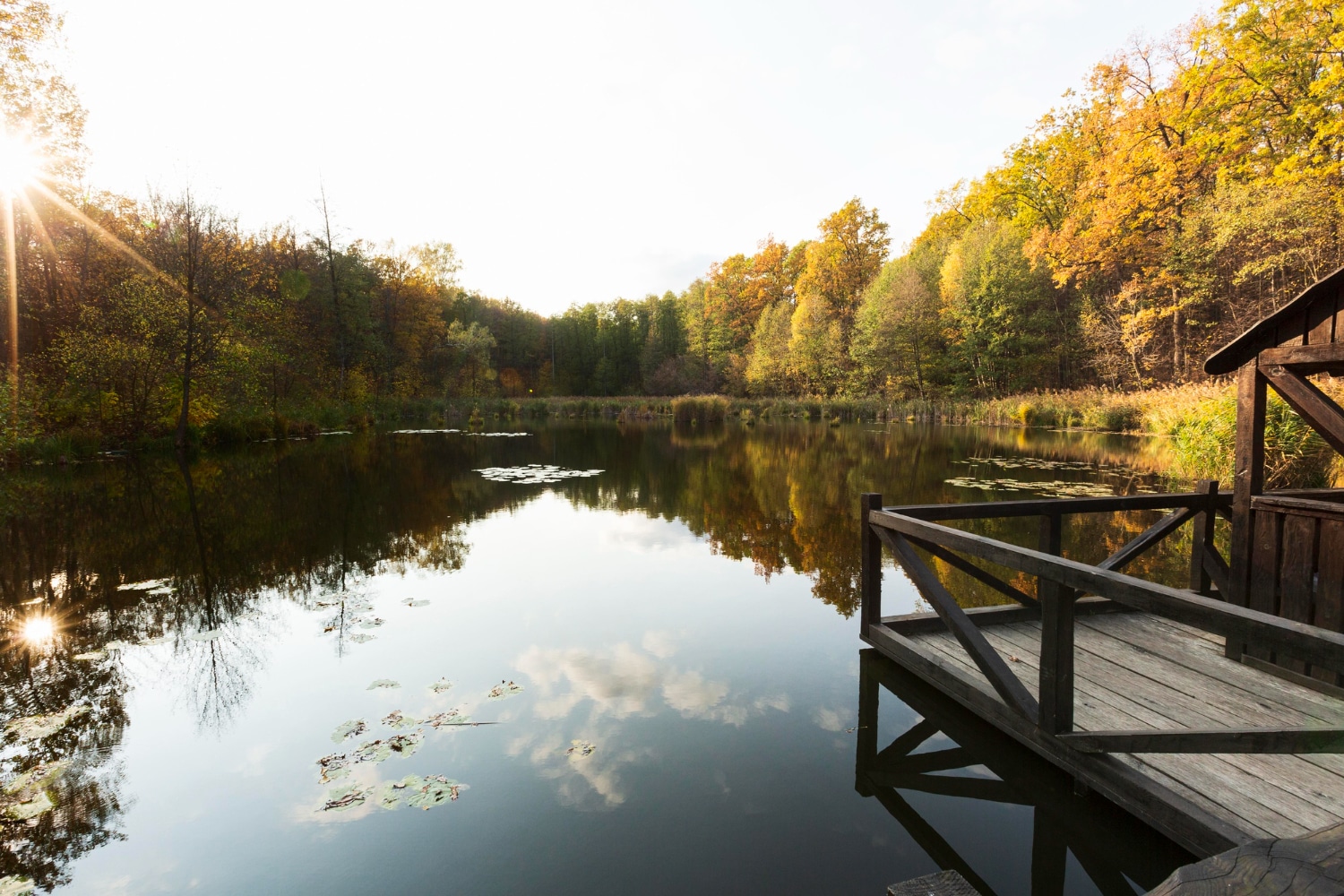
Most waterfronts serve several purposes at once. The dock becomes a gathering place after dinner, a quiet spot for morning coffee, a place to watch the sunset, and the starting point for almost every adventure on the lake.
When a dock is designed around the way people actually live instead of simply maximizing square footage, it becomes one of the most valuable features of the property.
Spring Ice-Out Is Nature’s Final Inspection
Anyone who has lived through several Canadian winters knows there is one season that deserves more respect than any other when it comes to docks.
Spring.
Long before boats return to the water, enormous sheets of ice begin shifting as temperatures rise. Wind pushes them across the lake with incredible force. Water levels change rapidly. Shorelines that looked frozen solid only days earlier suddenly begin moving with surprising energy.
This annual process, often called ice-out, is responsible for more dock damage than almost anything else.
It is also one of the reasons so many experienced cottage owners carefully consider seasonal dock systems. A removable floating dock can often be taken out before freeze-up, reducing the risk of damage during spring breakup. Even permanent systems benefit from thoughtful engineering that considers local ice conditions instead of simply resisting them.
No dock is indestructible. However, a dock that has been designed for Canadian winters—and maintained accordingly—will usually provide many years of dependable service.
Planning for ice should never feel like planning for the worst. It is simply part of building responsibly in a climate where the seasons are as much a part of waterfront living as the lakes themselves.
Avoiding the Most Common Dock Planning Mistakes
One of the advantages of working with experienced waterfront professionals is learning from projects that have already been completed. Over the years, certain mistakes appear again and again—not because people are careless, but because many first-time cottage owners simply do not know what to expect.
The first is underestimating future needs.
A dock that feels perfectly adequate today may become crowded surprisingly quickly. As families grow and recreational interests expand, many owners wish they had planned for additional length, wider platforms, or modular expansion from the very beginning.
Another common mistake is focusing almost entirely on price.
Every cottage owner has a budget, and that is understandable. But a dock is not a purchase that should be evaluated only by its initial cost. Maintenance requirements, expected lifespan, ease of seasonal installation, adaptability, and long-term durability all contribute to its overall value.
Sometimes the least expensive option becomes the most expensive one after several years of repairs or replacement.
A third mistake is overlooking site conditions.
The shoreline determines far more than many people realize. Water depth, prevailing winds, seasonal water levels, bottom composition, wave exposure, and ice movement all influence which dock system will perform best. What works beautifully on one lake may perform poorly just a few kilometres away.
Finally, some cottage owners wait until construction is ready to begin before asking questions about approvals or environmental considerations. By that point, changes to the design can become expensive and frustrating.
Good planning is rarely exciting, but it almost always leads to a better result.
A Dock Is an Investment in Your Cottage Lifestyle
For many families, purchasing a cottage represents years of saving, planning, and dreaming. The waterfront becomes the backdrop for birthdays, holiday weekends, fishing trips, and evenings spent around the fire with friends.
The dock sits at the center of nearly all of those moments.
That is why it should be viewed as more than a structure extending into the water. It is part of the overall experience of owning waterfront property.
Choosing quality materials, planning carefully, respecting the shoreline, and building with the future in mind all contribute to an investment that pays dividends every summer.
Years from now, very few people will remember how long it took to plan the project or whether one permit required an extra phone call.
They will remember teaching grandchildren to fish from the end of the dock. And they will remember watching loons drift across the bay at sunset. They will also remember jumping into cool water on a hot July afternoon.
And they will remember quiet mornings when the lake was perfectly still.
That is the true value of building the right dock.
Questions We Hear from Cottage Owners
As people begin planning a waterfront project, many of the same questions come up regardless of whether the cottage is in Manitoba, Northwest Ontario, or elsewhere across Central Canada.
Can I replace an existing dock without new approvals?
Sometimes, but not always. Replacing an existing dock with a similar structure may involve fewer approvals than constructing a completely new dock or significantly expanding the original footprint. Every property is different, so it is always wise to confirm the requirements before work begins.
Are floating docks better than permanent docks?
Neither option is universally better. The right choice depends on water depth, shoreline conditions, seasonal ice, how the dock will be used, and whether future expansion is anticipated. Floating systems are often preferred because of their flexibility and ability to adapt to changing water levels.
What time of year is best for installing a dock?
Many installations take place in spring after ice-out, although planning usually begins months earlier. Ordering materials before the busy season often provides more flexibility and helps ensure the dock is ready when cottage season begins.
Should I think about future expansion now?
Absolutely. Even if additional sections are not installed immediately, planning for future growth during the initial design phase often saves both time and money later.
Frequently Asked Questions About Dock Regulations
Do I always need a permit to build a dock?
Not necessarily. The answer depends on several factors, including where your property is located, the type of dock you plan to build, and whether the project affects the shoreline, fish habitat, or navigation. A simple seasonal floating dock may have different requirements than a permanent crib dock or a project that involves dredging or retaining walls. Before purchasing materials or scheduling installation, it is always worth confirming the requirements with the appropriate local and provincial authorities.
Are floating docks easier to approve?
Floating docks are popular throughout Manitoba and Northwest Ontario because they generally have less impact on the lake bottom than many permanent structures. While that can simplify some projects, every property is unique. Approval requirements still depend on the specific location and environmental conditions.
Can I build my dock wherever I want along my shoreline?
Not always. Property boundaries, water depth, navigation routes, environmental considerations, and local bylaws can all influence where a dock should be located. Spending time evaluating the shoreline before construction usually results in a safer and more functional design.
What happens if I build without checking the regulations?
Building first and asking questions later can become an expensive lesson. In some situations, owners may be required to modify or even remove structures that do not comply with applicable regulations. Taking a little extra time during the planning stage is almost always the easier and less costly approach.
How long should I expect a quality dock to last?
That depends on the materials, the quality of the installation, how well it is maintained, and the environmental conditions at your property. A well-designed dock that is appropriate for the site and properly cared for can provide dependable service for many years.
Great Waterfronts Begin with Great Planning
Every memorable day at the lake begins in much the same way. Someone walks down to the dock.
It might be a grandparent carrying a fishing rod before sunrise. Or, it might be children racing toward the water on the first warm day of summer. It might simply be two people sitting quietly with a cup of coffee, enjoying a view that never seems to get old.
Those moments are why people invest in waterfront property in the first place.
A thoughtfully planned dock makes those experiences safer, easier, and more enjoyable. It protects your shoreline, supports your favorite activities, and becomes a natural extension of your cottage. Just as importantly, taking the time to understand the regulations before construction helps ensure your investment will provide years of enjoyment without unexpected setbacks.
Whether you are replacing an aging dock, developing a brand-new waterfront, or simply exploring ideas for the future, planning with your property’s unique conditions in mind will always lead to better results. Every lake is different, every shoreline has its own challenges, and every family enjoys the water in its own way. The best dock is the one that respects all three.
Here to Help
Across Central Canada, waterfront living is about much more than owning property. It is about slowing down, reconnecting with family, enjoying the outdoors, and creating traditions that are passed from one generation to the next. A well-designed dock is often where those traditions begin.
Nor Col Dock Solutions (formerly Nor Col EZ Dock) has helped cottage owners create exceptional waterfront experiences across Central Canada for years. From seasonal floating docks to complete waterfront planning, our team understands the unique challenges of lakes throughout Manitoba, Saskatchewan, Kenora, and Northwest Ontario. If you are planning your next dock project, we would be happy to help you find a solution that fits both your property and your lifestyle.
Nor Col Dock Solutions (formerly Nor Col EZ Dock) serves Central Canada, including Kenora, SK (Saskatchewan), Manitoba, and Northwest Ontario, to strengthen local visibility. Contact our team today on our contact page (https://norcoldocks.com/contact) or follow us on Facebook (https://www.facebook.com/NorColDockSolutions) to start planning your perfect waterfront.