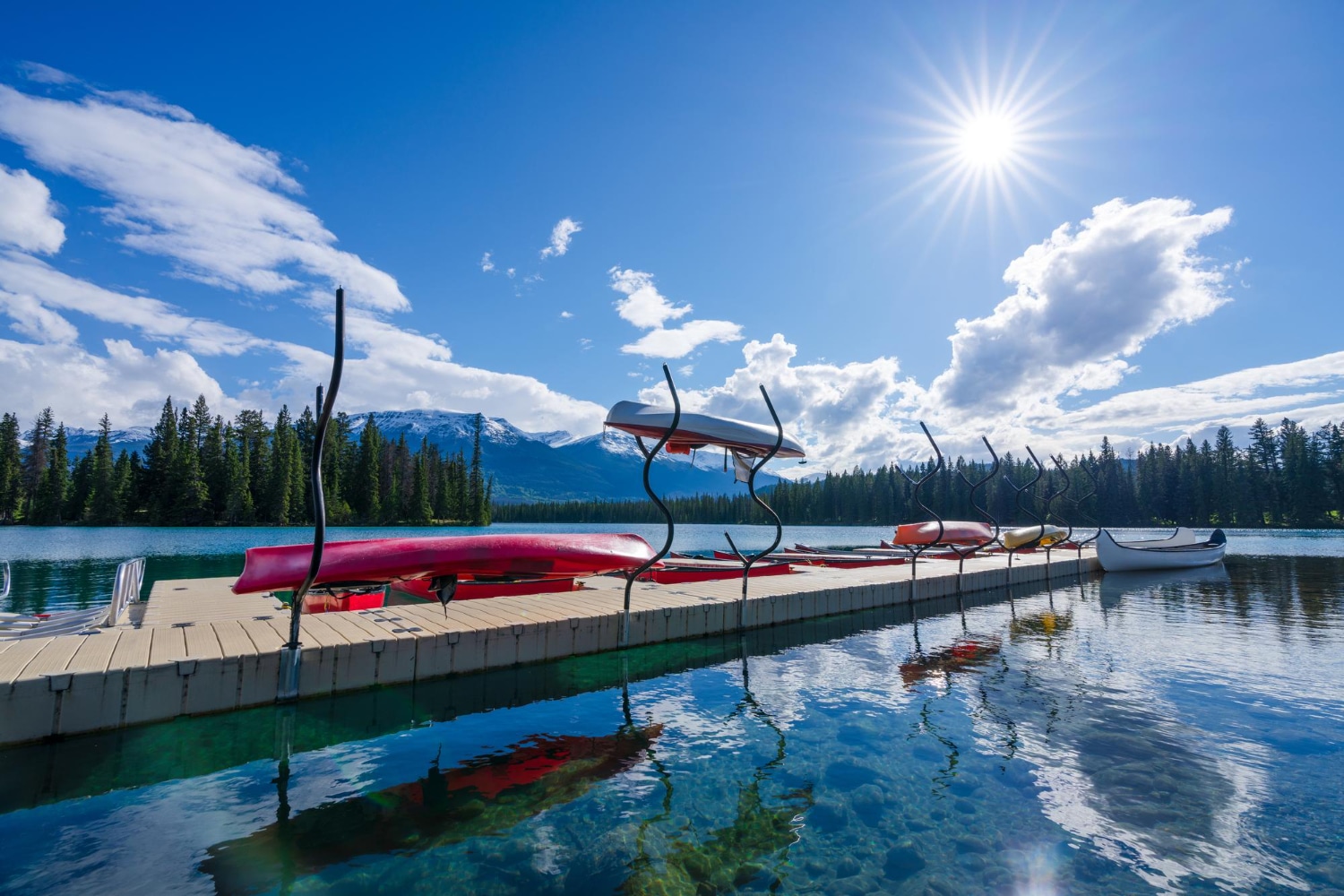
Winter does not go easy on docks in Saskatchewan. Ice shifts, expands, and pushes with more force than most people realize. Add in prairie winds, fluctuating water levels, and months of inactivity, and by spring, even a solid dock can have hidden problems.
The mistake most cottage owners make is simple. They walk out, glance at the dock, and assume it’s fine. Then a loose section gives way, a ladder fails, or a connection point snaps under weight. That’s how accidents happen.
A proper dock inspection is not complicated, but it does need to be thorough. If you do it right at the start of the season, you avoid bigger repairs, protect your investment, and make the entire summer safer.
Start with a Full Structural Walkthrough
Before you grab tools or start tightening anything, walk the entire dock slowly.
Pay attention to how it feels under your feet. A stable dock should feel solid and predictable. If you notice:
- Soft spots
- Uneven sections
- Unexpected movement
- Slight tilting
Those are early warning signs.
Winter ice can shift sections just enough that everything still “looks fine,” but structurally it’s compromised. The goal here is to catch subtle problems before they become obvious failures.
Check transitions between sections carefully. That’s where stress builds up the most.
Inspect for Ice Damage and Stress Points
Ice is the biggest threat to docks in Saskatchewan. It does not just sit still—it moves, expands, and applies pressure in multiple directions.
Look for:
- Cracks in floats or decking
- Warped frames
- Bent brackets or connectors
- Separation between dock sections
Even minor stress marks matter. They tend to spread once the dock is back in use.
If your dock stayed in the water all winter, be even more aggressive with this inspection. Ice heave can shift anchor points and twist structural components without fully breaking them—yet.
Check Anchoring and Positioning
Prairie lakes are not calm environments. Wind builds quickly, and long stretches of open water allow waves to gain strength.
Your dock should sit where it belongs. If it has shifted even slightly, that’s a problem.
Inspect:
- Anchor lines or poles
- Weight systems
- Shore connections
- Alignment with the shoreline
If anything looks off, reset it now. A poorly anchored dock will continue to move, and that movement puts stress on every connection point.
This is one of those things people ignore until mid-season when the dock is already taking a beating.
Examine All Hardware and Connections
Bolts, hinges, brackets, and connectors take constant stress. Over winter, they also deal with moisture, freezing, and expansion.
Go section by section and check:
- Loose bolts
- Corrosion or rust
- Bent hardware
- Missing fasteners
Tighten everything that should be tight. Replace anything that looks questionable.
Small hardware failures are one of the most common causes of dock issues. And they’re the easiest to fix—if you catch them early.
Evaluate Dock Surface and Traction
Surface condition gets overlooked, but it matters for safety.
After months of sitting, docks often build up:
- Algae
- Dirt and debris
- Moisture-related slick spots
Walk the dock with wet shoes. If it feels slippery, it needs attention.
Clean the surface thoroughly. If your dock material is worn smooth, consider adding traction solutions or replacing sections.
Slip-and-fall accidents are one of the most common dock-related injuries. Most of them are preventable.
Inspect Ladders, Cleats, and Accessories
Anything attached to your dock should be treated like a potential failure point.
Check:
- Swim ladders (stability, depth, ease of use)
- Cleats (tightness and strength)
- Bumpers and edging
- Kayak launches or accessories
Ladders matter more than people think. If they’re loose, too short, or unstable, getting out of the water becomes difficult—especially for kids or older adults.
Fix these now, not after someone struggles to climb out.
Test Load and Movement Under Real Use
Once everything looks good, test it.
Do not just stand still. Move around. Shift weight. Have another person walk across while you watch.
You’re looking for:
- Excessive bounce
- Uneven flex
- Sections moving independently
Floating docks will always have some movement. That’s normal. But it should feel controlled, not unpredictable.
If something feels off, it usually is.
Look at Shoreline Connection Points
Where your dock meets land is one of the most stressed areas.
Check for:
- Erosion around the connection
- Loose or unstable transitions
- Gaps forming between dock and shore
This is also where most trips and falls happen.
Make sure the transition is solid, level, and easy to walk across. If it shifts when you step on it, fix it.
Clean and Reset Before Peak Season
Once the inspection is done, take the time to clean everything properly.
Remove debris, rinse surfaces, and reset the dock so it’s ready for daily use.
This step matters more than it sounds. A clean, well-positioned dock not only looks better—it performs better and lasts longer.
Plan Repairs Before You Need Them
If you found issues, don’t push them off.
Dock problems do not fix themselves. They get worse with:
- Increased use
- Wind exposure
- Wave action
- Weight and activity
Early-season repairs are always easier and cheaper than mid-season emergencies.
Why This Matters More in Saskatchewan
Saskatchewan conditions are not forgiving. Between:
- Strong prairie winds
- Ice expansion and movement
- Variable water levels
- Remote lake access
Your dock needs to be ready before the season starts.
Skipping a proper inspection is not just lazy—it’s expensive. It leads to bigger repairs, safety risks, and sometimes full replacement much sooner than expected.
Final Thoughts
A dock safety inspection is not about overthinking things. It’s about being intentional.
Walk it. Test it. Tighten it. Fix what needs fixing.
Do that once at the start of the season, and you avoid most problems that ruin time at the lake.
If you want help evaluating your setup or upgrading to something more durable and low-maintenance, Nor Col Dock Solutions (formerly Nor Col EZ Dock) services Central Canada, Kenora, SK (Saskatchewan), Manitoba, and Northwest Ontario.
You can connect with them here: