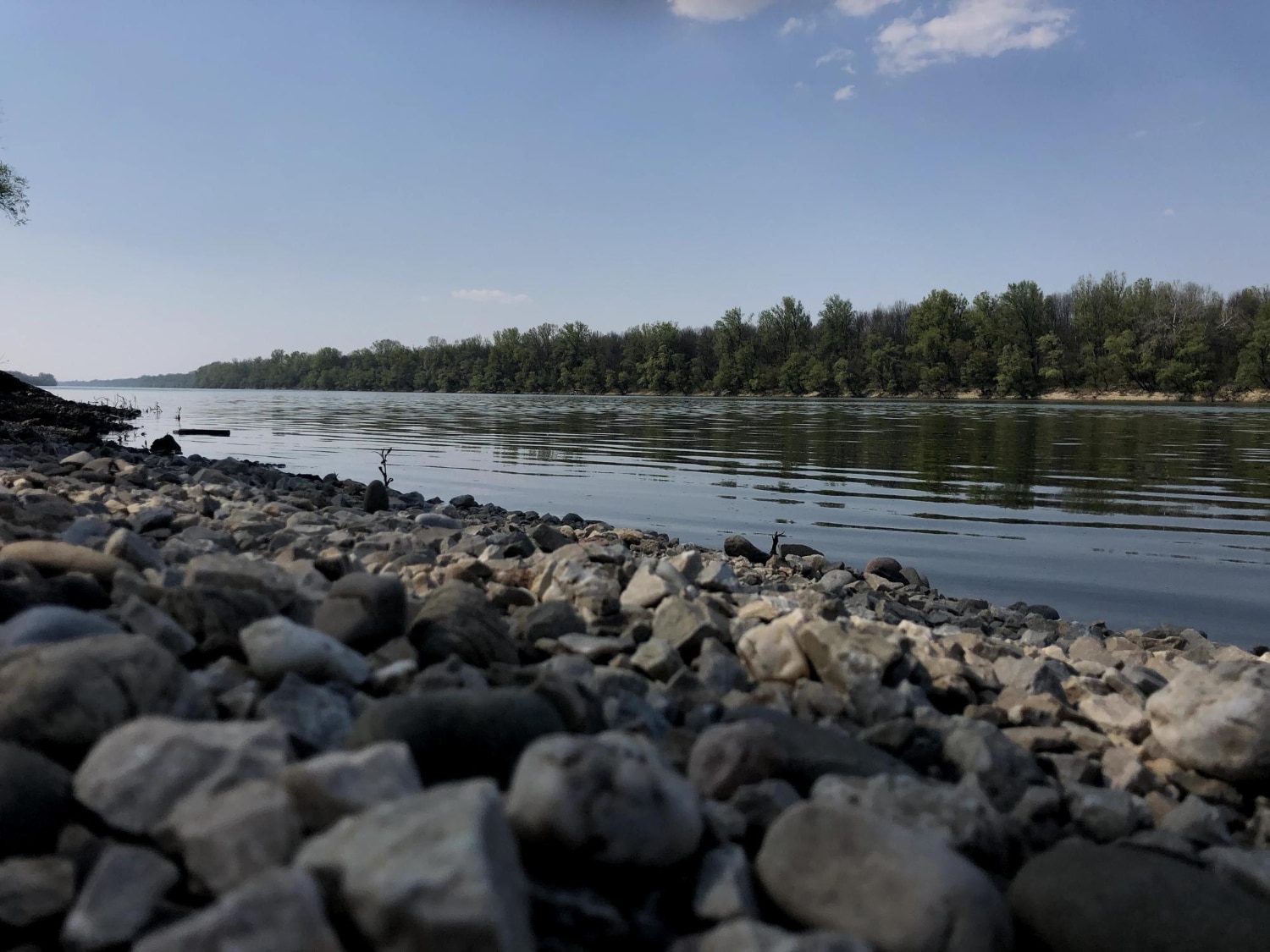
At first glance, a rocky shoreline feels like an advantage. It looks stable. It looks permanent. It feels like the perfect base for a dock. But once you actually try to install one, reality hits. Nothing is level. Nothing lines up.
And what looks solid above the water can be completely uneven below it. That’s where most dock issues start in places like Quetico. Not because the dock is built poorly—but because it’s fighting the lakebed instead of working with it.
The Real Issue Isn’t Stability—It’s Consistency
Rocks don’t shift much. That part is true. The problem is they don’t sit evenly. You might have:
- One side supported by a flat rock shelf
- Another side resting on a slope
- One leg sitting solid, another barely touching
That creates uneven load across the dock. And over time, that uneven pressure shows up as:
- Slight tilting
- Sections sitting differently in the water
- Connections taking stress they weren’t designed for
It’s not dramatic at first. But it compounds.
Why Floating Docks Usually Win in Quetico
If you’re dealing with uneven or rocky lakebeds, floating systems solve most of the problem upfront. They don’t rely on the bottom to be level.
Instead, they:
- Sit on the water
- Adjust naturally to surface changes
- Distribute weight evenly across the system
That alone removes the biggest challenge rocky shorelines create. It’s not that fixed docks can’t work—it’s that floating docks don’t have to fight the same battle.
When Fixed Docks Still Make Sense
There are situations where people still want a fixed or semi-fixed system. Usually for:
- A certain look
- Specific shoreline conditions
- Long-term permanence
If you go that route on a rocky lakebed, precision matters more than anything. You’re not just installing—you’re customizing each support point. That usually means:
- Adjustable legs
- Careful placement on stable rock points
- Taking time to level everything correctly
You can’t rush it. Because once it’s set, small errors don’t stay small.
Leveling Is Where Most Problems Begin
Leveling a dock on uneven ground isn’t about making it “look straight.” It’s about distributing weight evenly across every contact point. If one section carries more load than another, it becomes the weak point. That’s where:
- Bolts loosen
- Frames twist
- Connections wear out faster
A dock doesn’t fail evenly. It fails where stress concentrates. Getting it level from the start is what prevents that.
Anchoring in Rock Is Different Than Everything Else
Anchoring on sand or mud is predictable. Rock is not. You’re dealing with:
- Irregular surfaces
- Limited anchor points
- Varying depth between contact spots
This changes how you secure the dock. Instead of relying on penetration (like you would in softer bottoms), you’re often:
- Using weight-based systems
- Securing to stable rock features
- Positioning anchors strategically rather than uniformly
The goal isn’t just holding the dock in place—it’s preventing subtle movement. Because even small shifts create stress across the structure.
Movement Is the Enemy (Even When You Can’t See It)
A dock on a rocky lakebed might feel solid when you step on it. But that doesn’t mean it’s not moving. Micro-movements happen:
- With waves
- With changing water levels
- With seasonal shifts
And when the base isn’t consistent, those movements don’t distribute evenly. One section absorbs more than another. Over time, that’s what leads to:
- Misalignment
- Hardware fatigue
- Structural wear
This is why stability isn’t just about “feels solid today.” It’s about “stays consistent over time.”
Seasonal Changes Still Matter (Even on Rock)
It’s easy to assume rocky shorelines eliminate seasonal issues. They don’t. Water levels still change. Ice still moves. Temperatures still affect materials. A dock that sits perfectly in July might:
- Sit differently in late August
- Shift slightly after spring thaw
- Experience pressure during freeze cycles
Rock doesn’t remove those variables—it just changes how they show up.
Installation Is Where You Win or Lose
Most long-term dock problems in rocky areas trace back to installation. Not materials. Not design. Installation. Rushed installs lead to:
- Poor contact points
- Uneven leveling
- Weak anchoring decisions
Taking the time to:
- Test positions
- Adjust supports
- Check alignment from multiple angles
…that’s what separates a dock that lasts from one that slowly becomes a problem.
When to Adjust vs When to Rebuild
If your current dock feels off, you don’t always need to start over. Sometimes it’s:
- A leveling issue
- An anchoring adjustment
- A worn connection point
Other times, the system itself isn’t suited for the lakebed. That’s when adjustments turn into repeated fixes—and rebuilding becomes the smarter move. The key is recognizing which one you’re dealing with.
The Bottom Line
Rocky lakebeds don’t make docks easier—they make them more precise. If you:
- Choose the right system (often floating)
- Take leveling seriously
- Anchor strategically
- Respect how small movements add up
You end up with a dock that feels stable not just today—but year after year. If you skip those steps, the problems don’t show up immediately. They show up slowly… and then all at once.
If you’re dealing with a rocky shoreline in Quetico and want a dock that actually holds up over time, it helps to work with people who understand how these lakebeds behave.
Nor Col Dock Solutions (formerly Nor Col EZ Dock) services Central Canada, Kenora, SK (Saskatchewan), Manitoba, and Northwest Ontario. You can start here:
https://norcoldocks.com/contact/
https://www.facebook.com/NorColDockSolutions