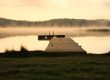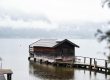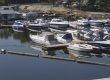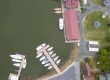
Choosing the right dock system for your property on Lake of the Woods is not as simple as picking something that looks good. The shoreline conditions across this region vary widely. Some areas have rocky edges. Others have soft, muddy bottoms. Water levels can rise and fall. Ice can shift and damage structures during the winter. If you want a dock that lasts, you need to plan carefully.
Lake of the Woods stretches across Manitoba, Ontario, and Minnesota. In areas like Kenora and Northwest Ontario, many shorelines are uneven and exposed to changing weather. That means your dock system needs to handle real conditions, not just calm summer days. A good dock supports your lifestyle, whether that means fishing, swimming, boating, or simply enjoying time with family.
Understand Your Shoreline First
Before you look at dock types, take time to study your shoreline. This step matters more than most people think. If you skip it, you could end up with a dock that shifts, sinks, or becomes unsafe.
Start by checking the lakebed. Is it rocky, sandy, or muddy? Rocky shorelines often provide strong support, but they can make installation harder. Muddy bottoms may require extra stabilization. Next, look at the slope. A steep drop-off works well for certain dock systems, while shallow water may require longer sections.
You should also pay attention to water levels. Lake of the Woods is known for seasonal changes. Spring runoff can raise water levels, while late summer may lower them. Your dock needs to adjust or stay stable during these shifts.
Choose Between Floating and Fixed Dock Systems
Once you understand your shoreline, you can choose the right dock style. The two main options are floating docks and fixed docks. Each has its place, but one usually works better for Lake of the Woods.
Floating docks are the most popular choice in this region. They rise and fall with the water level, which makes them ideal for lakes with seasonal changes. They also handle uneven lakebeds well. If your shoreline is rocky or inconsistent, a floating system can save you time and frustration.
Fixed docks, also called stationary docks, use posts driven into the lakebed. They work best in areas with stable water levels and firm ground. On Lake of the Woods, these conditions are less common. Fixed docks can still work, but they often require more maintenance and adjustment over time.
Think About Ice and Winter Conditions
Winter is one of the biggest challenges for docks in Central Canada. Ice does not just sit still. It expands, shifts, and pushes against structures. If your dock is not designed for this, it can suffer serious damage.
Floating docks can often be removed before winter. This is one of their biggest advantages. You can take them out, store them safely, and reinstall them in the spring. This approach helps extend the life of your dock.
If you choose a fixed dock, you need to make sure it is built to handle ice pressure. This may include stronger posts, flexible connections, or specific placement to reduce stress from moving ice.
Plan Your Dock Size and Layout
Many cottage owners either build too small or too large. Both can cause problems. A dock that is too small feels crowded. A dock that is too large can be harder to maintain and more expensive than needed.
Start by thinking about how you will use the dock. Do you have a fishing boat? Do you plan to swim often? Do you host family gatherings? Each of these activities affects your layout.
A simple straight dock works for basic access. An L-shaped dock adds space for seating and docking boats. A U-shaped layout provides multiple slip areas and can protect boats from waves. Keep your design practical. You can always expand later if needed.
Consider Safety and Accessibility
Safety should always come first. A good dock is easy to walk on and stable underfoot. Look for materials that provide traction, even when wet. This is especially important for kids and older adults.
You should also think about how people enter and exit the water. Swim ladders, handrails, and clear entry points make a big difference. If you plan to use kayaks or paddleboards, consider adding a low-entry launch area.
Lighting can also improve safety. Solar dock lights help people see edges and pathways during the evening. This is a simple upgrade that adds both function and comfort.
Pick the Right Materials for Long-Term Use
Dock materials play a big role in how your system performs over time. In Central Canada, you need materials that handle moisture, sun, and temperature changes.
Wood docks offer a classic look, but they require regular maintenance. You need to stain or seal them to prevent damage. Over time, boards can warp or rot if not cared for properly.
Aluminum and composite materials are more durable. They resist rust, rot, and fading. These materials often cost more upfront, but they save time and effort in the long run. For many Lake of the Woods properties, this trade-off makes sense.
Think About Installation and Maintenance
Some dock systems are easier to install than others. Modular floating docks, for example, can be assembled in sections. This makes them easier to adjust or expand later.
Maintenance should also be part of your decision. Ask yourself how much time you want to spend each year on repairs. A low-maintenance dock lets you focus on enjoying the lake instead of fixing problems.
Regular checks still matter. Inspect your dock at the start and end of each season. Look for loose connections, worn parts, or damage from storms or ice.
Match Your Dock to Your Lifestyle
At the end of the day, your dock should fit how you use your property. Some people want a quiet place to fish at sunrise. Others want a space for family gatherings, swimming, and boating.
There is no one-size-fits-all solution. The best dock system is the one that meets your needs while handling the conditions of Lake of the Woods. Take your time, plan carefully, and think long term.
If you are unsure where to start, it helps to talk with professionals who understand the region. Nor Col Dock Solutions (formerly Nor Col EZ Dock) services Central Canada, Kenora, SK (Saskatchewan), Manitoba, and Northwest Ontario. If you are planning a new dock or upgrading an existing one, you can reach out through their contact page at https://norcoldocks.com/contact or connect with them on Facebook at https://www.facebook.com/NorColDockSolutions to explore the best options for your waterfront.