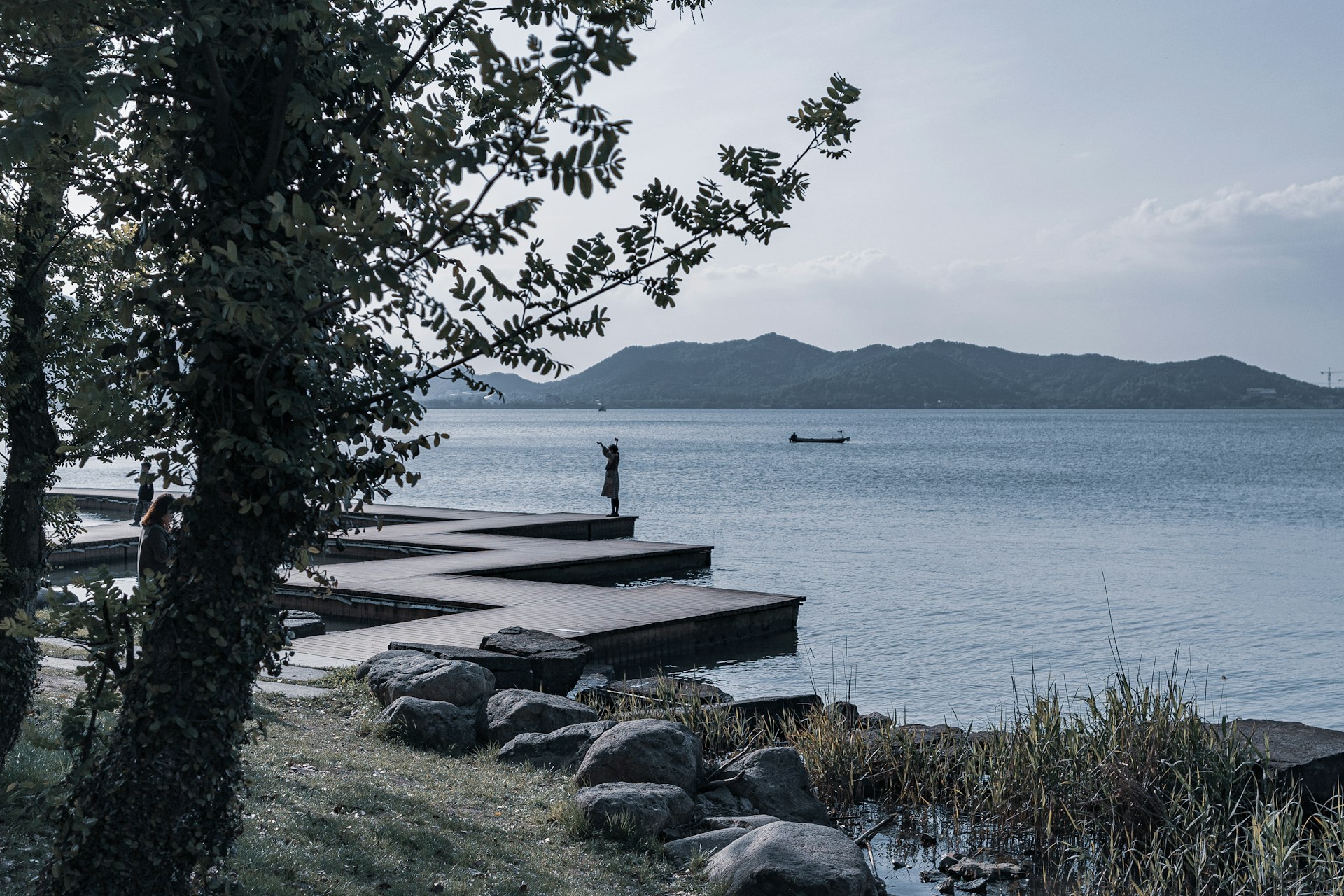
Your dock may be the star of your lakefront property, but the shoreline is the stage that sets the scene. A well-designed shoreline not only makes your property look beautiful—it also helps prevent erosion, improves water quality, and creates a natural transition from land to lake. The good news? You don’t need to be a landscape designer to make your waterfront shine.
Here are some simple shoreline landscaping ideas to complement your dock and keep your lakefront property both stunning and sustainable.
Why Shoreline Landscaping Matters
Your shoreline is more than decoration—it’s a living system. Natural vegetation filters runoff, stabilizes soil, and supports the fish and wildlife that make lake life so special. When designed thoughtfully, your landscaping can protect your investment and the environment at the same time.
Poorly planned or over-cleared shorelines can erode quickly, clouding the water with sediment and weakening the base of your dock. A few smart choices now can prevent years of costly repairs later.
1. Use Native Plants for Natural Beauty and Stability
Native plants are your shoreline’s best friend. They’re adapted to local climates, require less maintenance, and help control erosion naturally. The deep roots of native species hold soil in place while filtering rainwater before it reaches the lake.
Some great native options for Manitoba, Saskatchewan, and Northwest Ontario include:
– Blue Flag Iris
– Swamp Milkweed
– Red Osier Dogwood
– Wild Bergamot
– Prairie Cordgrass
– Willow and Alder shrubs
Plant taller species near the back of your shoreline and shorter grasses or flowers near the waterline. This layered approach mimics natural wetlands and creates a seamless blend between dock and land.
2. Build a Gentle Slope Instead of a Hard Edge
If your property drops sharply into the lake, consider reshaping it into a gradual slope. Gentle slopes allow plants to thrive, absorb runoff, and reduce erosion caused by wave action. Avoid building retaining walls whenever possible—they can reflect waves and cause further erosion downstream.
For areas that need reinforcement, use natural materials like stone, coir logs, or riprap instead of concrete. These absorb energy and allow vegetation to grow between the gaps, strengthening the shoreline over time.
3. Add a Pathway to Your Dock
Foot traffic can quickly wear down grass and loosen soil around your dock entrance. Installing a defined path keeps the area tidy and prevents erosion. Choose materials that fit your dock’s design and the natural environment, such as:
– Crushed stone or gravel (allows water to drain)
– Wooden boardwalks (blend beautifully with dock structures)
– Permeable pavers (eco-friendly and stylish)
Avoid impermeable materials like asphalt or solid concrete—they trap heat and prevent natural water absorption.
4. Incorporate Natural Stone Accents
Large boulders or stone groupings can give your shoreline structure while blending with the surrounding landscape. Use them to outline garden beds, anchor seating areas, or border pathways. Choose stone types that complement your dock materials—granite, limestone, or river rock all look natural near water.
Strategically placed rocks also help break wave energy, protecting plants and reducing erosion near your dock.
5. Create a Sitting or Fire Pit Area Near the Dock
A comfortable seating area turns your shoreline into a gathering space. Add a small patio, fire pit, or Adirondack chairs overlooking the dock for a welcoming, relaxing vibe. Use natural materials like flagstone or compacted gravel to keep it low-impact and permeable.
If you add a fire pit, ensure it’s safely distanced from vegetation and follows local fire regulations. A lakeside fire at sunset is one of life’s simple pleasures—and with the right setup, it’s safe and sustainable.
6. Plant a Buffer Zone Between Lawn and Lake
Resist the urge to mow right to the water’s edge. Instead, leave a 3–6 meter buffer zone of native plants between your lawn and the lake. This “green filter” absorbs fertilizers, pesticides, and stormwater runoff before they reach the water, helping keep your lake clean.
A buffer zone also provides habitat for butterflies, birds, and pollinators—adding life and color to your property throughout the summer.
7. Blend Dock Design with Landscape Style
Your dock and landscape should complement each other visually. For example:
– A modern aluminum dock looks great with minimalist stone pathways and ornamental grasses.
– A wooden dock fits beautifully with wildflowers, natural shrubs, and soft lighting.
– A floating dock can be paired with water-loving plants and subtle shoreline rock work for a natural aesthetic.
The key is balance—don’t overdo one element at the expense of the other. Let the natural surroundings guide your design choices.
8. Use Lighting to Highlight Key Features
Low-voltage or solar lighting can make your shoreline come alive at night. Use path lights along walkways, uplights on trees or shrubs, and small LED fixtures near your dock entrance. Choose warm, subtle tones to create a cozy glow without disturbing local wildlife.
Avoid bright floodlights aimed at the water—they can disrupt fish and insects and detract from the natural beauty of your lakefront at night.
9. Keep It Low-Maintenance
A successful shoreline landscape should require less work, not more. Choose plants and materials that thrive without constant watering, pruning, or fertilizing. The goal is to let nature do most of the heavy lifting.
Every spring, do a quick cleanup—trim dead growth, remove debris, and check for erosion. Otherwise, let your shoreline grow in naturally and enjoy the process as it matures each season.
10. Protect Your Work from Erosion and Ice
Even the most beautiful landscape won’t last if it isn’t protected from natural forces. As ice forms and breaks up each winter, pressure can damage plants and shift soil. To minimize impact:
– Install flexible dock connections that allow movement without tearing up the shoreline.
– Use riprap or vegetation mats along vulnerable sections.
– Keep heavy structures like patios or sheds away from the immediate waterline.
These small measures help your landscape survive through Canada’s freeze-thaw cycles.
Bonus: Add a Touch of Personality
Your shoreline should reflect your lifestyle. Add a rustic wooden sign with your family name, a hammock between two trees, or a few decorative planters near your dock entrance. These personal touches make your lakefront feel warm, lived-in, and truly yours.
Common Mistakes to Avoid
– Over-clearing vegetation for a “beach look.”
– Using treated wood or non-native plants that can leach chemicals into the water.
– Building hard walls that cause erosion for neighbors downstream.
– Planting species that attract geese (they’ll take over quickly!).
– Forgetting to check local bylaws for shoreline modifications.
Conclusion
A well-designed shoreline transforms your dock area from functional to unforgettable. With native plants, natural materials, and thoughtful design, you can create a landscape that’s both beautiful and beneficial to the lake. It’s a win for you, your guests, and the environment.
If you’re ready to pair your dock with the perfect shoreline setup, talk to Nor Col Dock Solutions. Contact or follow on Facebook for advice, regional insights, and dock solutions.
Nor Col Dock Solutions (formerly Nor Col EZ Dock) proudly serves Central Canada, Kenora, Saskatchewan, Manitoba, and Northwest Ontario—helping lakefront homeowners design shorelines that protect their property and enhance their lake life for years to come.