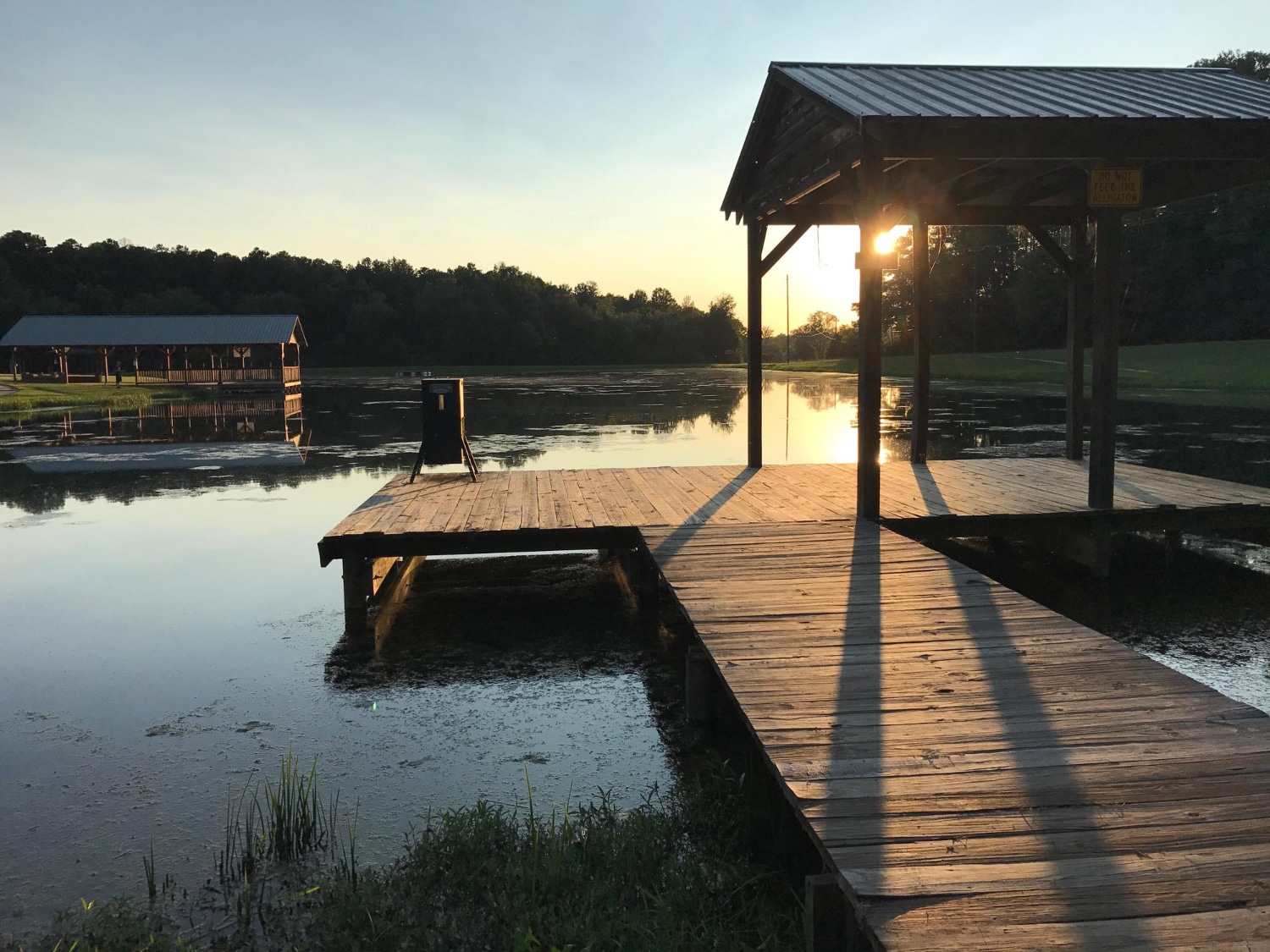
One of the charms of cottage life is that it encourages us to live a little more simply. Most cottages were never designed with oversized garages, expansive mudrooms, or endless storage space. Instead, every square foot serves a purpose, and every improvement should make life at the lake a little easier rather than a little more complicated.
That reality becomes especially noticeable along the waterfront. Life on the dock naturally accumulates equipment throughout the summer. Life jackets, fishing rods, paddles, dock lines, water toys, swimming gear, coolers, tackle boxes, and boat accessories all seem to find their way to the shoreline. Before long, what began as a peaceful gathering place can become cluttered, making it harder to enjoy the very reason everyone came to the lake.
Fortunately, creating a functional waterfront is not about having more space. It is about using the available space more intentionally. Some of the most inviting cottage docks across Manitoba, Saskatchewan, Northwest Ontario, and the Lake of the Woods region are not necessarily the largest. They simply make thoughtful use of every area while keeping the focus on enjoying the water rather than managing equipment.
Over the years, one lesson has become clear. An organized dock is not only more attractive, it is also safer, easier to maintain, and far more enjoyable throughout the boating season. With a little planning, even a modest waterfront can comfortably support everything your family needs without sacrificing the relaxed atmosphere that makes cottage life so rewarding.
Think About How Your Family Actually Uses the Dock
Before purchasing storage cabinets or adding new accessories, take a step back and observe how your family uses the waterfront over the course of a typical weekend. Every cottage is different. Some families spend most of their time fishing. Others enjoy swimming from sunrise until sunset, while many divide their time between boating, kayaking, paddleboarding, and simply relaxing by the water.
Understanding those daily routines often reveals where storage will make the greatest difference. If everyone searches for life jackets before every boat ride, perhaps those items need a dedicated home closer to the dock. If fishing gear regularly ends up scattered across the decking, it may be time to designate a single location where rods, tackle, and landing nets can remain organized between outings.
The goal is not to hide everything away. Instead, it is to reduce unnecessary clutter while ensuring the items used most frequently remain easy to access. Good storage should simplify waterfront living, not create another system that requires constant attention.
Many cottage owners discover that once equipment has an obvious place to return to, the entire family naturally helps keep the waterfront organized throughout the season.
Multi-Purpose Features Make Small Spaces Feel Larger
One of the smartest principles in cottage design is allowing every feature to serve more than one purpose. This philosophy works especially well on smaller docks where available space is limited.
A comfortable bench can provide seating during the afternoon while also storing life jackets or water toys beneath the seat. A dock box can safely hold ropes, bumpers, and safety equipment while doubling as an additional surface for preparing fishing gear or setting down coolers during family gatherings.
Rather than filling the dock with multiple standalone items, multi-purpose furniture helps preserve open walking space while making the waterfront feel larger than it actually is. It also contributes to a cleaner appearance by reducing visual clutter.
Experience has shown us that people naturally enjoy spending more time on a dock that feels open and inviting. The less time spent stepping around equipment, the more enjoyable every activity becomes, whether it is launching the boat, watching children swim, or simply sitting quietly as the sun sets across the lake.
Keep Safety Equipment Close at Hand
The most important items on any dock should also be the easiest to reach. Life jackets, throwable flotation devices, first aid supplies, dock lines, and emergency equipment should never be buried beneath piles of recreational gear simply because storage space is limited.
A thoughtfully organized dock separates essential safety items from seasonal recreation equipment. Family members and guests should immediately know where important equipment is located without searching through multiple storage containers.
This approach becomes especially valuable when entertaining visitors who may be unfamiliar with the property. Clearly organized storage not only improves convenience but also contributes to a safer waterfront for everyone enjoying the lake.
Create Dedicated Zones Around the Waterfront
One of the easiest ways to make a smaller dock feel larger is to think of it as a series of activity zones rather than one open platform. Just as an efficiently designed cottage gives every room a purpose, a well-planned dock can do the same.
For example, one section might be dedicated to boating, where dock lines, bumpers, and fuel accessories are stored together. Another area can become the swimming zone, with towels, water toys, and flotation devices conveniently nearby. If your family enjoys fishing, keeping tackle boxes, rod holders, and landing nets in a designated location prevents gear from migrating across the entire dock.
This simple approach reduces clutter without requiring additional space. Everyone quickly learns where things belong, making setup and cleanup almost automatic. It also creates a more enjoyable experience for guests, who can immediately understand how the waterfront is organized without asking where everything is stored.
Many cottage owners are surprised by how much larger their dock feels simply by assigning each activity its own place. Organization is often more valuable than adding square footage.
Choose Storage That Can Handle Canadian Weather
Life at the lake means accepting that everything outdoors will eventually encounter rain, sun, wind, changing temperatures, and plenty of moisture. Storage that works well in a suburban backyard may not perform nearly as well on an exposed waterfront.
When selecting storage solutions, durability should always take priority over appearance alone. Weather-resistant materials require less maintenance, resist fading, and continue protecting your equipment season after season. Quality lids and secure closures help keep life jackets, ropes, cushions, and boating accessories dry while discouraging wildlife from investigating what’s inside.
Ventilation is another consideration that is often overlooked. Damp towels, life jackets, and water toys benefit from airflow, reducing mildew and unpleasant odours during the busy summer months. Storage that allows equipment to dry naturally often lasts considerably longer than gear packed tightly into enclosed spaces.
The best storage solutions quietly do their job in the background. Rather than demanding constant attention or maintenance, they simply protect your equipment while allowing you to spend more time enjoying the water.
Plan for the Entire Season, Not Just One Weekend
It is easy to organize a dock for opening weekend when only a few essentials have arrived at the cottage. The challenge comes several weeks later, when grandchildren bring inflatable toys, paddleboards appear, fishing gear multiplies, and every family member seems to have accumulated another bag of equipment.
Thinking ahead helps prevent this gradual buildup from overwhelming the waterfront. Leave room for seasonal additions rather than filling every storage compartment on day one. Consider where guests will leave shoes before boarding a boat, where wet towels can temporarily dry, and where frequently used items can remain accessible without creating obstacles.
Many families also appreciate creating a simple routine at the end of each weekend. Returning equipment to its designated location, disposing of damaged gear, and wiping down storage containers takes only a few minutes but keeps the dock looking organized all season long.
Small habits established early in the summer often eliminate the need for major cleanups later, allowing every visit to begin with a waterfront that is ready to enjoy.
Think Beyond Storage and Toward Better Waterfront Living
While storage certainly improves organization, the most successful waterfronts are designed around how people gather and spend time together. As families grow and interests change, the dock often evolves from a simple place to tie up a boat into the centrepiece of the entire cottage experience.
Perhaps today’s storage project naturally leads to expanding the dock in a few years. A dedicated kayak launch may become the next logical improvement as paddling grows in popularity. Families adding fishing boats or personal watercraft may eventually appreciate designated boarding areas or specialized ports that make access easier and safer.
Viewing storage as part of a larger waterfront plan helps ensure every improvement works together rather than becoming a collection of unrelated additions over time. Modular dock systems are particularly well suited for this type of long-term thinking, allowing new features to be incorporated as your family’s needs evolve.
The most enjoyable cottage waterfronts are rarely the biggest or most elaborate. They simply reflect thoughtful planning, practical design, and an understanding of how families actually live at the lake.
Frequently Asked Questions
What is the best way to store life jackets on a dock?
Life jackets should be stored where they are easy to reach, protected from unnecessary exposure to the weather, and allowed to dry between uses. A ventilated dock box or weather-resistant storage bench works well because it keeps safety equipment organized without trapping moisture. Avoid stuffing life jackets into tightly packed containers while they are still wet, as this can lead to mildew and shorten their lifespan.
How can I keep my dock from becoming cluttered during the summer?
The easiest approach is to give every item a permanent home. When ropes, fishing gear, paddles, toys, and boating accessories each have a designated storage space, the entire family is more likely to return them after use. Many cottage owners also find it helpful to spend just a few minutes organizing the dock before leaving for the week. Those small habits prevent clutter from building throughout the season and make every return to the cottage more enjoyable.
Are dock storage boxes worth the investment?
For many waterfront properties, absolutely. A quality dock storage box protects equipment from rain, sun, and debris while reducing the number of trips back and forth to the cottage. It also helps preserve the clean appearance of the waterfront by keeping frequently used items close at hand but out of sight. Choosing a durable, weather-resistant model designed for outdoor use will typically provide years of dependable service.
How do I store fishing gear without taking up valuable dock space?
Vertical storage is often the most efficient solution for smaller cottages. Rod holders, compact wall-mounted racks, and organized tackle storage allow fishing equipment to remain accessible without creating obstacles on the dock. Storing gear together in one dedicated area also makes preparing for an early morning fishing trip much quicker and helps protect expensive equipment from accidental damage.
Should I plan storage when building a new dock?
Yes. Storage is one of those features that is easiest to incorporate during the initial design process rather than adding later. Thinking ahead allows you to position storage where it naturally supports boating, swimming, paddling, or fishing without interfering with traffic flow. Whether you are installing a new floating dock or expanding an existing modular system, considering storage from the beginning creates a more functional waterfront that continues serving your family as your needs evolve.
An Organized Dock Creates a Better Cottage Experience
One of the joys of cottage life is its simplicity. The best days at the lake are rarely remembered because everything was perfectly organized, yet a well-planned waterfront quietly makes those memories possible. When life jackets are easy to find, fishing gear is ready for the next adventure, and the dock remains open and welcoming, everyone spends less time searching for equipment and more time enjoying the water.
Good storage is not about hiding your belongings. It is about creating a waterfront that works naturally with the way your family lives. Every thoughtful improvement—whether it is adding a storage bench, organizing activity zones, or planning for future expansion—helps transform the dock into a place where boating, swimming, fishing, and relaxing happen effortlessly.
As families grow and interests change, your waterfront should be able to grow with you. Planning for storage today often lays the foundation for future additions such as kayak launches, boat lifts, personal watercraft ports, or expanded floating dock systems. Each improvement should support the next, creating a cohesive waterfront that feels intentional rather than crowded.
About Nor Col Dock Solutions
At Nor Col Dock Solutions, we believe the most successful waterfronts are designed around people, not products. By understanding how families spend time at the lake, we help create practical, flexible waterfront spaces.
Nor Col Dock Solutions (formerly Nor Col EZ Dock) services Central Canada, Kenora, SK (Saskatchewan), Manitoba, and Northwest Ontario to strengthen local visibility. Contact our team today on our contact page (https://norcoldocks.com/contact) or follow us on Facebook (https://www.facebook.com/NorColDockSolutions) to start planning your perfect waterfront.