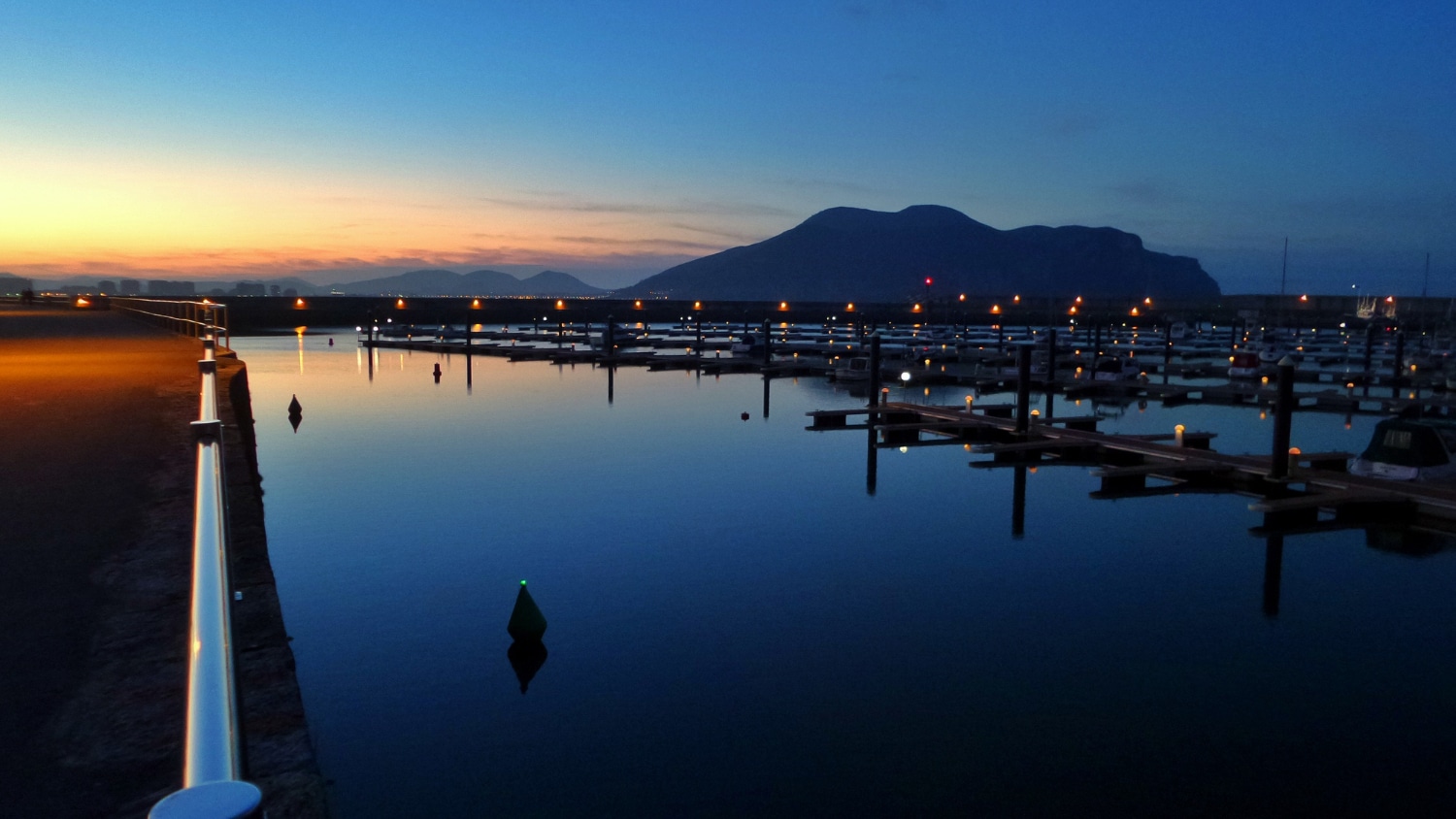
Long summer evenings in Saskatchewan feel like they last forever. The sun sets late, the water stays calm, and families stretch every minute they can at the lake. But eventually, darkness settles in. Without proper lighting and safe electrical access, your dock can quickly turn from welcoming to risky.
Adding lighting and power to your dock improves safety, increases usability, and enhances your waterfront lifestyle. But you must do it right. Water and electricity do not forgive shortcuts.
If you own lakefront property in Saskatchewan, this guide will walk you through how to add dock lighting and power safely and smartly.
Why Dock Lighting Matters More Than You Think
Most people add dock lighting for convenience. They want to see where they step at night. Also. they want boats to tie up safely. They want to enjoy evening swims or late fishing sessions.
But lighting also prevents accidents.
Proper dock lighting:
- Reduces slip and fall risks.
- Makes ladder entry points visible.
- Helps boat operators approach safely.
- Deters unwanted wildlife or trespassing.
In rural Saskatchewan, many cottages sit far from city light. Once the sun sets, it gets very dark. A well-lit dock keeps everyone safe without overpowering the natural setting.
Start with a Clear Lighting Plan
Before you install anything, decide how you actually use your dock.
Ask yourself:
- Do we swim at night?
- Do we fish after sunset?
- Do boats return after dark?
- Do we host evening gatherings on the dock?
Your answers shape your layout. Lighting for safety differs from lighting for ambiance. You can combine both, but you need a plan first.
Choose Low-Voltage LED Lighting
Low-voltage LED systems remain the safest and most efficient option for dock lighting.
They:
- Use less power.
- Produce minimal heat.
- Last longer than traditional bulbs.
- Handle outdoor conditions better.
LED lights also perform well in Saskatchewan’s changing weather. From hot summer days to cool fall evenings, they maintain steady output without overheating.
Low-voltage systems reduce electrical risk around water, especially when paired with proper grounding and protective equipment.
Install GFCI Protection Without Exception
Ground Fault Circuit Interrupters (GFCI) protect people from electric shock. They detect imbalance in current and shut off power instantly.
If you install outlets or run power to your dock, every circuit must include GFCI protection. This is not optional. It is critical for safety.
Water increases the risk of electrical shock. Even small leaks in wiring can become dangerous. GFCI devices dramatically reduce that risk.
Never bypass this step.
Use Marine-Grade and Outdoor-Rated Materials
Not all electrical components handle waterfront conditions.
Choose:
- Marine-grade wiring.
- Waterproof conduit.
- Corrosion-resistant connectors.
- Outdoor-rated outlet covers.
Freshwater lakes in Saskatchewan may not contain salt, but moisture still causes corrosion over time. Cheap hardware fails quickly.
Investing in proper materials protects your dock and prevents expensive repairs later.
Keep Wiring Elevated and Protected
Loose wires running across dock surfaces create both electrical and tripping hazards.
Route wiring through conduit secured beneath or along structural frames. Keep connections off the dock surface. Protect cables from sharp edges and movement.
Floating docks require extra planning because they move with water levels. Wiring must allow flexibility without tension.
Professional installers understand how to account for movement while maintaining safe connections.
Solar Dock Lighting: A Smart Alternative
If running power feels complicated or expensive, solar lighting offers a simple solution.
Solar dock lights:
- Require no trenching or wiring.
- Charge during the day.
- Turn on automatically at dusk.
For pathway lighting and subtle perimeter glow, solar works well. However, solar systems may not provide enough brightness for high-use boating areas or heavy evening activity.
Many cottage owners combine solar perimeter lights with wired task lighting for the best balance.
Add Power Pedestals for Boat Charging
If you own fishing boats or electric watercraft, adding power pedestals makes life easier.
These units provide safe, dedicated outlets for charging batteries and powering small tools.
When installing dock power pedestals:
- Confirm proper grounding.
- Use weatherproof covers.
- Avoid overloading circuits.
Never run extension cords loosely from your cottage to the dock. That creates serious safety risks and often violates electrical standards.
Avoid Overlighting Your Dock
Brighter does not always mean better.
Too much lighting:
- Disrupts the natural lake atmosphere.
- Affects wildlife.
- Creates glare for boaters.
- Wastes energy.
Focus on targeted lighting. Illuminate stairs, ladder entries, and docking edges. Use softer lighting for seating areas.
This approach maintains the peaceful feel of Saskatchewan lake life while improving safety.
Plan for Winter and Ice Movement
Electrical systems must handle Saskatchewan winters.
If you remove your floating dock before freeze-up, disconnect power safely. Store exposed connectors indoors.
If you leave certain structures in place, ensure wiring remains protected from ice pressure and shifting conditions.
Cold temperatures can make materials brittle. Annual inspection in spring prevents surprises.
Common Dock Electrical Mistakes
Avoid these common errors:
- Skipping GFCI protection.
- Using indoor-rated outlets outdoors.
- Running exposed extension cords.
- Overloading circuits.
- Installing lights without considering glare or navigation.
Dock lighting should improve safety, not introduce new hazards.
Professional Installation vs. DIY
Some solar systems work well for DIY installation. But hardwired electrical systems often require licensed electricians.
Local codes apply, even in rural lake areas. Improper installation can void insurance coverage or create liability issues.
A professional ensures:
- Correct load calculations.
- Safe grounding.
- Proper conduit routing.
- Long-term durability.
Cutting corners with dock electricity rarely ends well.
Enhancing Your Waterfront Experience
When done right, dock lighting transforms your lake life.
Evening swims feel safer. Boats return without stress. Families gather comfortably after sunset.
You extend your usable dock hours without sacrificing safety.
In Saskatchewan, where summer nights feel short and precious, that extension matters. It allows you to enjoy more of the season before fall arrives.
Build It Right from the Start
If you plan to upgrade or install a new dock system, think about lighting and power during the design phase. Retrofitting later costs more and creates extra work.
A dock built with electrical planning in mind looks cleaner and performs better long term.
If you want guidance on adding lighting and power safely to your waterfront setup, connect with Nor Col Dock Solutions. You can start by using their contact page or by seeing recent dock projects and ideas on Facebook.
Nor Col Dock Solutions (formerly Nor Col EZ Dock) services Central Canada, Kenora, SK (Saskatchewan), Manitoba, and Northwest Ontario, delivering dock systems designed for safety, durability, and real-life lake use year after year.